13 Reports Published
Deep Dives
Long-form investigative breakdowns of the most significant breakthroughs in spinal cord injury research — separating the signal from the noise.
Long-form investigative breakdowns of the most significant breakthroughs in spinal cord injury research — separating the signal from the noise.
13 deep dives — latest first
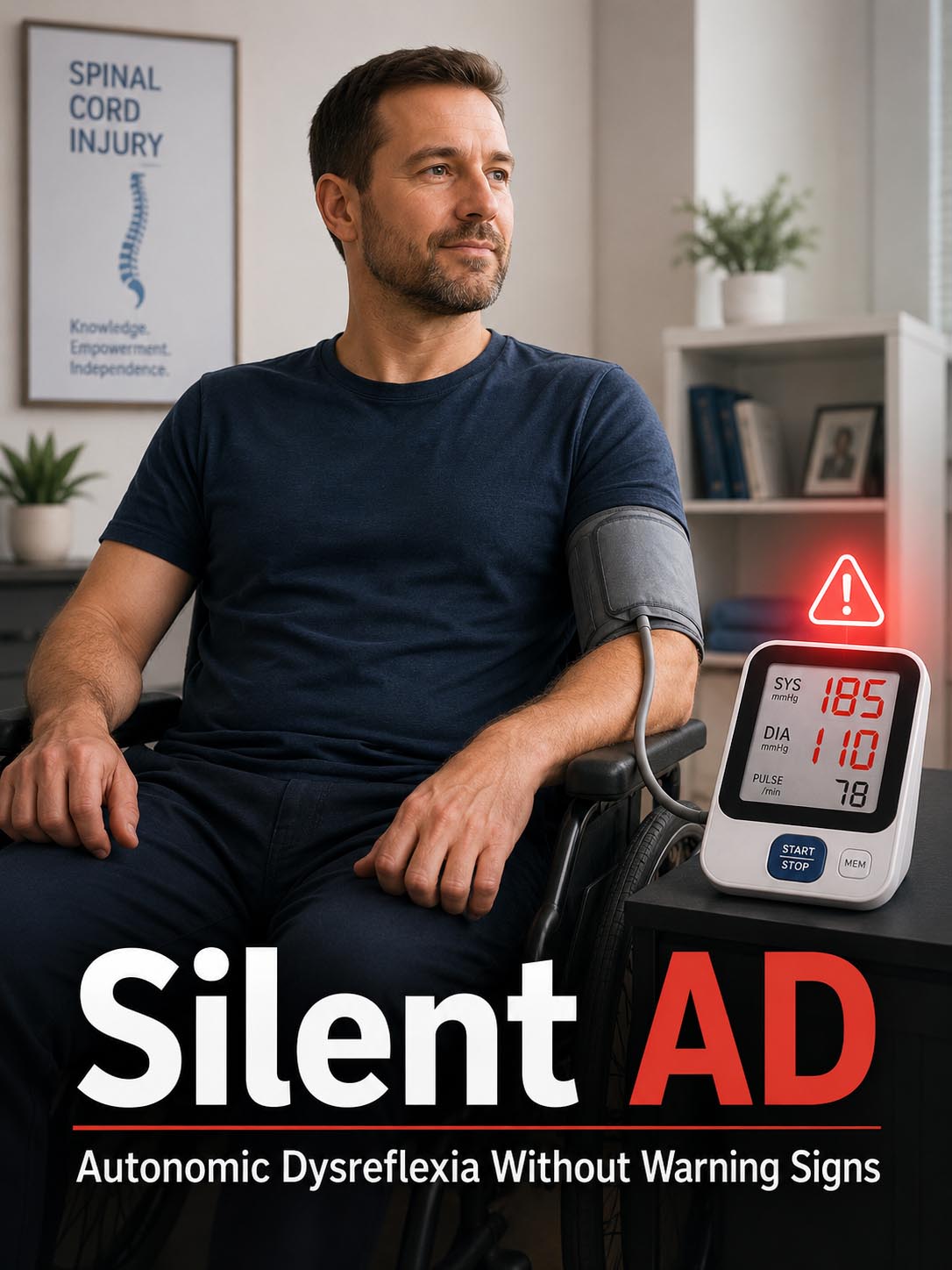
A plain-English deep dive into silent autonomic dysreflexia after spinal cord injury: what it is, why blood pressure can rise dangerously without symptoms, why bladder and bowel tr…
A plain-English deep dive into the 2026 Brain Stimulation paper reporting a portable embedded bidirectional brain-computer interface that decoded leg movement intent from interhemi…
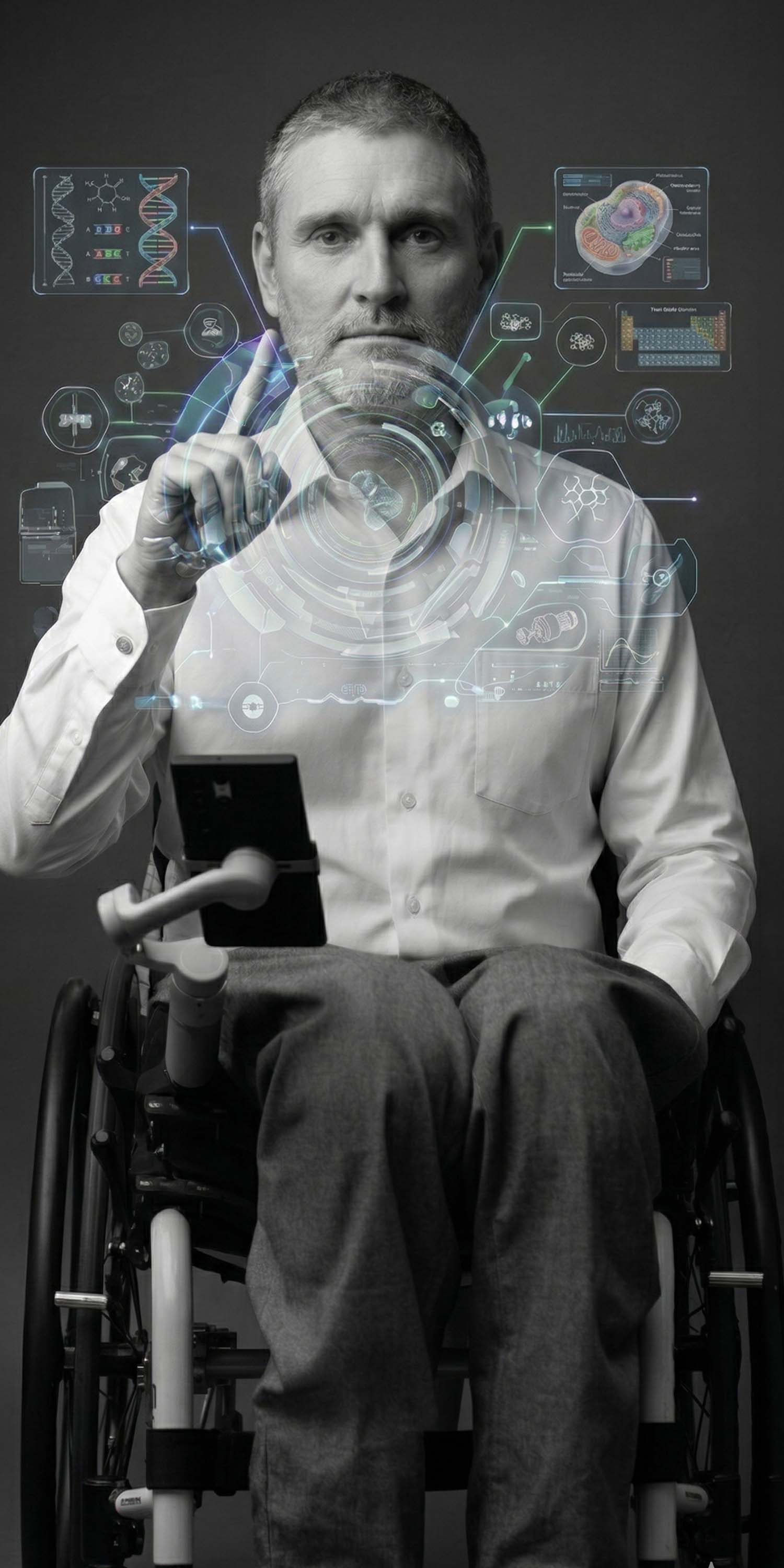
In February 2026, the Royal College of Surgeons in Ireland (RCSI) unveiled an 'RNA-activated implant' designed to physically bridge spinal cord injuries while delivering genetic sc…
A comprehensive deep dive into Northwestern University's 'dancing molecules' injectable scaffold programme (AMFX-200) for acute spinal cord injury, its FDA orphan designation, the …

Autonomic dysreflexia, often shortened to AD, is one of the most important emergency conditions for people with spinal cord injury to understand.
In simple terms, AD happens when something below the level of injury irritates the body, but the normal calming signals from the brain cannot travel down the spinal cord properly. The lower body reacts with a powerful sympathetic surge. Blood vessels tighten. Blood pressure rises. The brain can sense the danger, but it cannot fully switch off the storm below the injury.
For many people, AD causes obvious warning signs: a pounding headache, sweating, flushing, goosebumps, anxiety, blurred vision, or a slow heart rate. But this deep dive focuses on a quieter version:
Silent autonomic dysreflexia means blood pressure rises dangerously, but the person has few symptoms or no symptoms at all.
That is the part that deserves more attention. AD is often taught as a dramatic event: headache, sweating, panic, emergency response. But research using blood pressure monitoring during urodynamics, bladder procedures, sleep, and daily life has shown that some people with SCI can have major blood pressure spikes without feeling much, or without noticing anything unusual.
That matters because AD is not only about how bad you feel. It is about what your blood pressure is doing.
The important points are:
The honest takeaway is this:
Silent AD is not a new disease. It is AD without the alarm bell. The blood pressure spike can still be real, and the body may still be under stress even when the person feels fine.
This article is for education. It is not a personal emergency plan.
If you have SCI and are at risk of AD, you should have an individual plan agreed with your spinal injuries team, GP, urologist, continence team, or specialist nurse. That plan should say what blood pressure level is dangerous for you, what triggers to check first, what medication you are allowed to use, and when to call emergency services.
A simple rule for readers is:
Do not wait for symptoms if the blood pressure reading is high for you.
For many people with high-level SCI, normal systolic blood pressure can sit around 90-110 mmHg. That means a reading of 130-150 mmHg may already represent a major rise, even though it may not look frightening on a standard hospital chart.
The autonomic nervous system controls body functions we do not consciously think about, including blood pressure, sweating, heart rate, bladder activity, bowel activity, and blood vessel tone.
After a spinal cord injury, especially at or above T6, the communication between the brain and the lower body’s autonomic circuits can be disrupted. The body below the injury can still react to irritation, but the brain may not be able to send enough calming control back down.
A typical AD chain looks like this:
The trigger is often ordinary, not dramatic. A blocked catheter. A full bladder. Constipation. A bowel program. A urine infection. Tight clothing. A pressure sore. An ingrown toenail. A fracture. A sexual or fertility procedure. Labour and pregnancy. Sometimes the cause is not obvious at first.
AD is sometimes described as the lower body shouting through a broken telephone line. The message reaches the brain as danger, but the brain cannot answer properly.
Silent AD is not weaker AD. It is less obvious AD.
In classic AD, the person may notice symptoms such as:
In silent AD, the blood pressure rise still happens, but symptoms may be missing, mild, delayed, or easy to misread.
That creates a problem. Most everyday AD advice depends on the person noticing symptoms. Silent AD breaks that model. It means a person could be sitting in a chair, lying in bed, having bladder filling, going through a bowel routine, or sleeping through the night while blood pressure is spiking in the background.
For people with SCI, this is one reason blood pressure monitoring matters. Symptoms are useful clues, but they are not a perfect safety system.
This deep dive is not about one single paper. It is a research landscape story.
The field is moving in three directions at once:
| Area | What it means for people with SCI |
|---|---|
| Better recognition | Researchers are showing that AD can be missed when clinicians only ask about symptoms. |
| Better monitoring | Wearables, bladder pressure sensors, and ambulatory blood pressure monitoring may help detect hidden events. |
| Better prevention | Bladder treatments, bowel management, and spinal stimulation research may reduce the triggers or calm the abnormal reflex. |
The key shift is from reactive crisis care to predictive smart care.
The old model is: wait for a headache, check blood pressure, search for a trigger, treat the episode.
The newer model is: understand personal risk, monitor blood pressure patterns, identify silent triggers, prevent repeated spikes, and eventually use smart devices that warn early or intervene automatically.
That newer model is not fully here yet. But the direction is clear.
Silent AD matters for three reasons.
First, a person may not know it is happening. If AD always produced a severe headache, detection would be easier. But when symptoms are absent, blood pressure is the only reliable clue.
Second, repeated blood pressure spikes may add cardiovascular strain over time. SCI already changes cardiovascular regulation. Some people live with a strange mix of low resting blood pressure, orthostatic hypotension, and sudden hypertensive surges. That rollercoaster is not a minor inconvenience. It may contribute to stroke risk, heart strain, poor sleep, fatigue, and reduced confidence in daily routines.
Third, silent AD can hide inside routine care. Urodynamics, bladder filling, catheter changes, bowel care, skin problems, UTIs, and sexual health procedures can all provoke AD. A person may look calm, speak normally, and still be having a blood pressure event.
This is especially important in hospitals, emergency departments, and clinics that do not see SCI every day. A reading of 150 mmHg systolic may not look extreme to a general service, but if that person’s usual systolic pressure is 95 mmHg, the rise is large.
AD is most strongly associated with injuries at or above T6, because the injury can disconnect brain control from the major sympathetic blood pressure region in the thoracic spinal cord.
However, risk is not perfectly tidy. Some guidance and case experience describe AD-like events in people with injuries slightly lower than T6, especially around T8. The higher and more complete the injury, the greater the typical risk, but individual patterns vary.
People may be at higher risk if they have:
Silent AD may be more likely to be missed in people who do not get the usual headache or sweating, people who have reduced symptom awareness, and people whose symptoms have changed with age.
Most AD starts from something below the injury. The big three are bladder, bowel, and skin.
| Trigger area | Common examples | Why it matters |
|---|---|---|
| Bladder | Full bladder, blocked catheter, kinked tubing, catheter change, bladder stones, UTI, urodynamics | The bladder is one of the strongest AD trigger sources. |
| Bowel | Constipation, impaction, haemorrhoids, bowel routine, rectal stimulation | Bowel distension can create a powerful autonomic reflex. |
| Skin and body | Pressure injury, tight clothing, ingrown toenail, burns, fracture, spasms | Pain or irritation below the injury may not be felt normally but can still trigger AD. |
A useful way to think about AD is this:
If the body below the injury would normally say “this hurts” or “something is too stretched”, it may instead say it through blood pressure.
That is why a silent AD episode should not be treated as random until the common triggers have been checked.
This is one of the most misunderstood parts of AD.
For the general population, clinicians often think about hypertension using fixed numbers, such as 140/90 mmHg. In SCI, AD is more personal. The important question is not only “is this number high in general?” The better question is:
How much higher is this than your usual baseline?
Many AD resources define AD as a systolic blood pressure rise of around 20 mmHg or more above baseline. For children and teenagers the thresholds may differ, and each person’s plan should be individual.
Example:
| Usual systolic BP | Possible AD-level rise | Why this can be missed |
|---|---|---|
| 90 mmHg | 115-120 mmHg | Looks normal to many clinicians, but may be high for that person. |
| 105 mmHg | 130 mmHg | May not trigger alarm in a general setting. |
| 115 mmHg | 140 mmHg or more | Looks like ordinary high BP, but may represent AD if sudden. |
This is why people at risk of AD often need to know their own baseline blood pressure when well, rested, and sitting in their usual position.
Silent AD can appear in ordinary scenarios:
This is not meant to make people frightened of every routine. It is meant to make the invisible visible.
The practical message is balanced:
Do not panic-check blood pressure every minute of life. But do take unexplained changes, high readings, bladder trouble, bowel trouble, and procedure-related risk seriously.
Follow your own clinical plan first. The general emergency logic is usually:
Silent AD changes one detail: you may not feel ill enough to act. The blood pressure reading itself may be the warning.
If AD has a fuse box, the bladder is often the switch that keeps tripping.
Neurogenic bladder after SCI can create high pressures, bladder spasms, incomplete emptying, infections, catheter problems, stones, and irritation. All of these can feed into AD.
This is why some treatments originally thought of as bladder treatments are now also being viewed as cardiovascular protection tools.
OnabotulinumtoxinA, often simply called Botox, can reduce neurogenic detrusor overactivity. In plain English, it can calm an overactive bladder muscle. Studies have shown that bladder Botox can reduce bladder-related AD severity in some people with SCI.
This does not mean Botox is an AD cure. It means that reducing bladder pressure and bladder spasm may reduce one of the strongest AD triggers.
Mirabegron is a beta-3 agonist used for bladder storage symptoms. It can relax the bladder during filling. For some people, that may reduce high bladder pressures and therefore reduce one pathway into AD.
It is not suitable for everyone, and it can affect blood pressure, so it needs clinician oversight. The wider point is that modern AD prevention may increasingly involve managing the trigger organ, not just treating the blood pressure spike after it has already happened.
A major research idea is to monitor bladder pressure in real-world life, not only during a hospital urodynamics test.
Wireless bladder pressure sensors, such as the research UroMonitor-style devices described in the AD research landscape, are trying to answer a simple but powerful question:
Is this person’s “random” AD actually being driven by bladder pressure changes we have not been able to see before?
If these devices become safe, reliable, and clinically available, they could help reveal the hidden relationship between bladder filling, spasms, catheter issues, sleep, daily activity, and silent AD.
The future of silent AD care may look less like a panic button and more like a smoke alarm.
Researchers are testing non-invasive systems that use wearable signals such as:
The goal is to detect the body’s autonomic shift before the person notices symptoms, or before the blood pressure reaches a dangerous level.
One important research direction uses skin nerve activity, or SKNA. This is a signal linked to sympathetic nervous system activity. Purdue and Indiana University researchers have been developing a non-invasive AD monitoring device, and published work has reported high detection accuracy in controlled research settings.
Another direction uses multimodal wearable sensors and machine learning. A 2025 wearable-sensor study in people with chronic SCI during urodynamic testing reported promising performance, with heart-rate and ECG-derived features appearing especially informative.
But the caution is important:
A wearable that detects AD in a study is not the same as a proven home-use medical device.
Future systems must prove they work during real daily life: transfers, spasms, wheelchair propulsion, sleep, catheter changes, bowel care, showers, exercise, anxiety, pain, and ordinary messy human movement.
The most exciting recent AD research is not just about detecting blood pressure spikes. It is about controlling the spinal circuits that create them.
A major 2025 Nature paper mapped parts of the abnormal spinal circuitry that develops after SCI and contributes to AD. The paper described how sensory inputs below the injury can connect into spinal circuits that drive uncontrolled blood pressure responses.
This matters because it changes the question from:
How do we lower blood pressure once AD starts?
To:
Can we target the spinal circuit that makes AD possible?
Related Nature Medicine work reported an implantable epidural stimulation approach for blood pressure instability after SCI. This stimulation targeted specific thoracic spinal regions involved in hemodynamic control. The research is still highly specialised and not a normal clinical option, but it points toward a future where blood pressure instability after SCI may be treated with precise neurotechnology.
For silent AD, this is especially interesting. A future closed-loop system could, in theory:
That is the dream version. We are not there for everyday care yet. But the field is moving from blunt crisis management toward circuit-level control.
Here is the practical reality for readers today:
| Option | Available now? | Main role |
|---|---|---|
| Personal AD plan | Yes | The most important safety tool. |
| Home blood pressure monitor | Yes | Helps detect suspected and silent events. |
| Bladder and bowel trigger prevention | Yes | Reduces the common causes of AD. |
| Emergency medication prescribed by clinician | Yes, for some people | Treats episodes that do not resolve quickly. |
| Bladder Botox | Yes, for selected patients | May reduce bladder overactivity and bladder-triggered AD. |
| Mirabegron or other bladder medication | Yes, for selected patients | May help bladder storage and pressure control. |
| 24-hour ambulatory BP monitoring | Sometimes | Can reveal hidden patterns, nocturnal spikes, and suspected silent AD. |
| AD-specific wearable AI monitor | Research stage | Promising, not yet routine standard care. |
| Wireless bladder pressure sensor | Research stage | Promising for hidden bladder-trigger detection. |
| Closed-loop spinal stimulation for AD | Research stage | Exciting but not routine clinical care. |
This is the balance: silent AD is clinically important now, but most of the futuristic monitoring tools are still being tested.
Yes. That is the key point of silent AD. A headache is common in AD, but it is not required. Blood pressure measurement is more reliable than symptoms alone.
Not necessarily. The right amount of monitoring depends on injury level, history of AD, bladder and bowel issues, symptoms, and clinical advice. But people at risk should usually know their baseline blood pressure and have access to a reliable monitor.
Yes. Some people with SCI have abnormal overnight blood pressure patterns, and bladder or bowel triggers can occur during sleep. If someone wakes with headaches, sweating, flushing, poor sleep, unexplained fatigue, or has suspected catheter blockage overnight, this is worth discussing with a spinal team.
It can be. The risk comes from the blood pressure spike and the underlying trigger, not only from symptoms.
No standard consumer smartwatch should currently not be treated as an AD diagnostic device. Wearables may show useful clues, such as heart rate changes, but blood pressure and clinical context still matter. Research devices may eventually improve this.
They may reduce AD in some people when bladder overactivity or high bladder pressure is a trigger. They are not universal fixes, and they need proper urology or SCI specialist oversight.
Not as standard care. Epidural stimulation research is highly promising, but it is still specialist clinical trial territory for AD and blood pressure regulation.
These are the updates that would materially change the story:
| Question | Answer |
|---|---|
| Is AD real and dangerous in SCI? | Yes. This is established clinical knowledge. |
| Is silent AD real? | Yes. Blood pressure monitoring studies show that AD can occur with few or no symptoms. |
| Are bladder and bowel the main triggers? | Yes. These are consistently emphasised in clinical guidance. |
| Can silent AD be detected with ordinary BP monitoring? | Yes, if the person knows their baseline and checks at the right times. |
| Are AI wearables ready for routine use? | Not yet. Promising research, but not standard clinical care. |
| Are bladder pressure sensors routine care? | Not yet. They remain research or early validation tools. |
| Is epidural stimulation a proven AD treatment for everyday use? | Not yet. It is a major research direction, not a normal NHS or home option. |
| Most useful action now | Know your baseline, have a plan, manage triggers, and take unexplained BP rises seriously. |
A fair evidence score for silent AD as a clinical risk is high.
A fair evidence score for new wearable and stimulation solutions is promising but early.
Silent autonomic dysreflexia is one of the clearest examples of why SCI care cannot rely only on symptoms.
A person may feel fine while their blood pressure is rising. A bladder may be too full without normal sensation. A bowel problem may be driving a reflex the person cannot feel. A pressure mark may be shouting through the autonomic nervous system instead of through pain.
The message is not to live in fear. The message is to respect the biology.
For people with SCI, silent AD turns blood pressure from a boring number into a warning light. Sometimes it is the only warning light you get.
The future looks more hopeful because research is finally moving in the right direction: better monitoring, smarter wearables, bladder pressure tracking, improved prevention, and spinal stimulation systems that may one day control the circuits behind AD.
For now, the most powerful tools are still simple but serious: know your baseline, know your triggers, own a reliable blood pressure monitor if you are at risk, have a written AD plan, and make sure the people around you understand that symptoms are not required for AD to be dangerous.
This study is about a two-way brain-computer interface for walking technology.
In plain English, the researchers built a system that could:
That second part is the big reason this paper matters. Many brain-computer interfaces are one-way: the brain gives a command and a machine responds. But real movement is not one-way. When we walk, the brain constantly receives information from the feet, legs, joints, skin, balance system, and muscles. Walking is a loop, not a button press.
This paper shows that a human brain implant system can begin to recreate part of that loop: brain signal out, robotic movement, sensory signal back in.
But the limits are just as important as the excitement:
So the honest takeaway is this:
This study does not prove that people with SCI can walk using this system. It does show that an important future ingredient may be possible: brain-controlled stepping with artificial leg feedback.
For the SCI community, that makes it worth watching.
After a spinal cord injury, the brain may still produce the intention to move, but the signal cannot travel normally through the damaged spinal cord. A brain-computer interface, or BCI, tries to bypass that broken route.
Instead of sending the command down the spinal cord, the system records brain activity and translates it into a command for a device. That device could be a computer cursor, a robotic arm, a stimulator, or in this case, a robotic walking exoskeleton.
The extra piece here is sensory feedback. People with SCI often lose both movement and feeling below the injury. That means a future walking system may need more than motor control. It may also need to give the user information about what the legs or device are doing.
Without feedback, the user might be commanding movement in the dark. With feedback, the system begins to act more like a nervous-system bypass.
That does not make it a cure. It does not repair the spinal cord. But it could become part of a future assistive technology pathway where brain intent controls movement hardware and artificial sensation helps the user understand the movement.
The researchers tested a portable bidirectional BCI system linked to a robotic gait exoskeleton. “Bidirectional” means information travelled in two directions:
Here is the study boiled down:
| Question | Answer |
|---|---|
| What kind of study was this? | Early human proof-of-concept study |
| Was it an SCI trial? | No |
| How many people took part? | One participant |
| Who was the participant? | A 50-year-old epilepsy patient with temporary brain electrodes |
| What did the brain implant record? | Leg movement intent from the brain surface |
| What device was controlled? | An Ekso GT robotic gait exoskeleton |
| Who wore the exoskeleton? | An experimenter, not the participant |
| What feedback was given? | Artificial tingling sensations linked to left and right exoskeleton leg swing |
| Main result | The system controlled stepping and delivered detectable artificial leg feedback |
| SCI relevance | Promising concept, but not yet clinical evidence for SCI benefit |
The system used ECoG, short for electrocorticography. ECoG electrodes sit on the surface of the brain, underneath the skull.
That makes ECoG more invasive than EEG, which records from outside the scalp, but less invasive than tiny electrodes that penetrate into the brain tissue. It is a middle-ground approach: stronger signals than scalp EEG, but still requiring brain surgery.
The electrodes were placed near brain regions involved in leg movement and leg sensation. That is important because the leg area of the brain is tucked close to the midline, between the two hemispheres.
The system worked roughly like this:
That loop is the core story. It is not simply “brain controls robot”. It is closer to “brain controls robot, and robot sends a signal back to the brain”.
The researchers mapped stimulation sites in the sensory cortex and asked the participant what she felt. They selected stimulation patterns that produced leg-like sensations without pain.
The reported sensations were tingling feelings in the lower leg and heel area. The system used left-brain stimulation to create a right-leg sensation, and right-brain stimulation to create a left-leg sensation. That opposite-side pattern is normal for how the brain maps the body.
The feedback was not natural feeling. It was not the same as restoring real leg sensation through the spinal cord. It was more like an artificial signal that told the brain, “the left leg is swinging” or “the right leg is swinging”.
That may sound basic, but basic timing information could still matter. For walking, knowing when a leg is moving, when a step has happened, or when weight might be shifting could become useful in future systems.
The researchers did blind tests to check whether the participant could detect the artificial sensations.
In one task, an experimenter walked out of the participant’s view and hearing. The system triggered a sensation for each step, and the participant counted the sensations.
The results were strong for a proof-of-concept:
In another test, the system randomly delivered right-leg sensations, left-leg sensations, or no sensation. The participant had to identify what happened. Again, the participant performed well above chance.
This matters because it suggests the feedback was not just a vague laboratory effect. The participant could meaningfully detect side-specific artificial leg sensations.
The system also decoded whether the participant was trying to move or rest.
The participant did not walk overground. She performed seated stepping-like movements from bed while the system decoded her brain activity. When the system detected a MOVE state, it triggered the exoskeleton worn by an experimenter.
Across 10 online runs over 2 days, the study reported strong decoding performance. The average lag was about 3.5 seconds.
That delay matters. For an early proof of concept, it is acceptable. For smooth real-world walking, it is probably too slow. Future versions would need faster response, richer control, and testing in the person actually wearing the exoskeleton.
Still, the important point is that the system combined three things in real time:
That combination is the milestone.
The study is not the first BCI, not the first exoskeleton, and not the first use of brain stimulation to create sensation. Its importance is the combination.
The newer pieces are:
For SCI research, this points toward a future where movement devices may not only obey commands, but also return useful body information to the user.
This is the section I would want every SCI reader to see clearly.
The participant had epilepsy, not spinal cord injury. That matters because the brain and body can change after long-term paralysis. Signals related to leg movement may still exist, but they may need training, and they may differ from person to person.
An experimenter wore the exoskeleton. That means the study did not test the full real-world challenge of SCI walking, including balance, fatigue, spasticity, skin pressure, blood pressure changes, fear of falling, or energy cost.
The BCI triggered an external robotic device. It did not repair spinal cord pathways, regenerate nerves, or restore biological walking.
The artificial sensation mainly signalled leg swing. Future systems would likely need richer feedback, such as foot contact, pressure, joint position, balance cues, or warning signals.
A future version using ECoG would involve brain surgery. That raises serious questions about risk, infection, seizure safety, device durability, maintenance, and whether the benefit would justify the invasiveness.
A delay of around 3.5 seconds is too slow for natural-feeling walking. Future systems would need quicker decoding and smoother control.
The most realistic future is not a sudden cure. It is a possible future assistive technology platform.
A future SCI system might combine several pieces:
The same concept could also become useful beyond walking. Artificial feedback might one day warn about body states a person cannot feel well, such as pressure risk, bladder fullness, or other below-injury signals. That is still speculative, but it is one of the more interesting long-term ideas.
For many people with SCI, the most valuable future technology may not be walking alone. It may be better standing, easier transfers, pressure protection, bladder warning, fewer complications, or more independence. Any future BCI system should be judged against those real-life priorities, not just whether a robot leg can step in a lab.
| Question | Plain-English answer |
|---|---|
| Can I get this now? | No. This is not available as a treatment. |
| Did it help someone with SCI walk? | No. It was not tested in an SCI participant. |
| Is it a cure? | No. It is a bypass-style technology, not spinal cord repair. |
| Would it need brain surgery? | A future ECoG version would, yes. |
| Did the user feel their real legs again? | No. The system created artificial sensations in the brain. |
| Why is it exciting then? | Because it shows a human two-way control loop: brain command out, sensory signal back. |
| What would make it more relevant to SCI? | Testing in people with SCI, especially with the user wearing the exoskeleton. |
The next big step would be a study in people with spinal cord injury.
The key things to watch are:
This is a strong early engineering study in bidirectional BCI technology.
It shows that a human brain-surface implant system can decode leg movement intent, trigger robotic exoskeleton stepping, and send artificial leg-like sensory feedback back to the brain.
For spinal cord injury, the message should be hopeful but careful:
This is not proof that people with SCI can walk using this system yet. It is proof that one important building block of a future SCI neuroprosthesis can work in a human setting.
The exoskeleton movement is interesting. The artificial sensation is just as important. The real story is the loop: intention, movement, feedback. That is where future neuroprosthetics may become less like remote-controlled machines and more like body-integrated tools.
For decades, the “holy grail” of spinal cord repair was to simply find the right cell and put it in the body. Initially, researchers tried “indirect” routes — injecting cells into the bloodstream (intravenous) or the spinal fluid (intrathecal). However, these cells often got lost in the lungs or failed to penetrate the dense “blood-brain barrier” to reach the actual injury site.
By the early 2000s, the strategy shifted toward Intraparenchymal (IP) delivery. This means surgeons inject the therapy directly into the delicate spinal cord tissue, either at the epicenter of the injury or just above and below it. This report synthesises two decades of data from the US, Canada, Europe, and Australia, documenting the transition from “can we do this safely?” to “how do we make it work better?”
Imagine trying to repair a broken fiber-optic cable buried deep underground. Sending repair drones into the general city plumbing (the bloodstream) won’t work — the drones can’t reach the cable. Intraparenchymal delivery is the equivalent of digging a precise trench and placing the repair crew exactly where the break is.
This report highlights that across multiple different “repair crews” (cell types), the surgery itself is remarkably safe. We have learned that the human spinal cord is more resilient than we once feared; it can tolerate direct injections without causing new paralysis or tumors. While we haven’t seen a patient “walk out of the clinic” yet, we are seeing the first flickers of reconnection — sensory levels moving down and muscles below the injury showing the first signs of electrical life.
The review evaluates five primary cell types that were each delivered directly into spinal cord tissue via IP injection — and despite their different biological “jobs,” all five were assessed for whether this direct delivery method was safe:
The most important takeaway for the SCI community is Convergence. Across all these trials, three “scary” things did NOT happen:
The field is moving away from “can we do this?” to “how do we maximise the gain?” The report predicts that the next era will focus on Combination Therapy:
The current breakthrough at RCSI is the culmination of a decade-long evolution within the Tissue Engineering Research Group (TERG). In the early 2010s, the lab pioneered advanced collagen scaffolds for bone repair, successfully commercializing them. By 2019, they shifted their focus from passive structural supports to “gene-activated” platforms, using biomaterials as localized reservoirs for gene therapy. A strategic pivot toward spinal cord injury accelerated in 2022 with a formal Patient and Public Involvement (PPI) panel ensuring alignment with actual patient priorities. This multi-track research culminated in February 2026 with a landmark publication detailing the RNA-activated implant.
When an individual suffers a severe spinal cord injury, the communication cables are severed, but unlike a cut on the skin, the central nervous system actively resists repair. Shortly after embryonic development, adult nerve cells activate a specific gene called PTEN, which acts as a chemical “parking brake” that permanently shuts down the ability to grow new extensions. Following trauma, this parking brake stays locked, rendering the severed nerves dormant. RCSI’s innovation acts as both a physical bridge and a microscopic pharmacy to physically overcome this biological barrier without triggering an adverse immune response.
The RCSI intervention elegantly combines structural scaffolding with non-viral gene therapy to promote regrowth.
Bioactive Materials Journal (2026): https://pmc.ncbi.nlm.nih.gov/articles/PMC12908063/
RCSI Official News Release (Feb 2026): https://www.rcsi.com/dublin/news-and-events/news/news-article/2026/02/rcsi-researchers-develop-rna-activated-implant-to-stimulate-nerve-regrowth-after-spinal-cord-injury
Advanced Science / RCSI News (July 2025): https://www.rcsi.com/dublin/news-and-events/news/news-article/2025/07/rcsi-researchers-develop-3d-printed-implant-to-help-repair-spinal-cord-injuries
Health Expectations Journal (2024): https://pubmed.ncbi.nlm.nih.gov/39102667/
TERMIS-EU Conference Abstract (2023): https://eu2023.termis.org/wp-content/uploads/2023/03/TERMIS-2023-Abstract-e-Book.pdf
ACS Omega (2023): https://pubs.acs.org/doi/10.1021/acsomega.3c09306
For years, “light therapy” was dismissed by hard science as alternative medicine. However, the discovery of Photobiomodulation (PBM) changed the narrative from “magic crystals” to molecular biology. Research has isolated specific wavelengths of light that don’t just heat tissue but actually trigger chemical reactions inside cells. In the context of SCI, where chronic inflammation creates a toxic environment for nerves, identifying the exact wavelengths that can penetrate deep enough to reach the spinal cord has become a critical area of non-invasive recovery research.
For a person with SCI, the body is often in a state of “biological civil war.” The injury site is inflamed, surgical scars are tight, and skin issues like pressure sores are a constant threat. This report tells the story of how Red and Near-Infrared (NIR) light act as “peacekeepers.” It’s not about curing paralysis overnight; it’s about managing the terrain. By using specific lights, patients are accelerating the closing of pressure ulcers and, more ambitiously, trying to calm the deep spinal inflammation that prevents nerve signals from getting through.
The science relies on a concept called the Optical Therapeutic Window—a specific range of wavelengths (600 nm to 900 nm) where the body becomes “transparent” enough for light to enter, yet the cells are reactive enough to use it.
Research indicates a “dead zone” in the spectrum where light has little biological effect. Effective therapy must avoid these wavelengths and stick to the proven peaks (660nm and 810-850nm).
Founded in 1985 by Dr. Barth Green and NFL legend Nick Buoniconti (following his son Marc’s injury), The Miami Project is the world’s most comprehensive SCI research center. For decades, their “North Star” was the Schwann Cell—a cell from the peripheral nervous system that can insulate and repair damaged nerves. After securing the first-ever FDA approval for these transplants in 2012, the Project has spent the last decade perfecting “combination therapies” that pair cell grafts with robotic exoskeletons and digital brain links.
The “Miami Model” in 2026 is about Independence. While biological cures are the long-term goal, the Project has pivoted to providing “Immediate Autonomy.” This is best illustrated by the “Year of Telepathy” milestones, where patients with zero hand function are now using thought-controlled cursors to work, create 3D designs, and communicate. It is a story of turning “hopeless” cases into “active” participants in the digital world while the biological repair continues in parallel.
The Miami Project is currently managing three “Pillars of Repair” simultaneously:
For decades, the dogma was “No Cure, No Hope.” If you couldn’t regrow the spinal cord, you couldn’t recover. Neuromodulation flipped the script by asking: “What if we don’t need to regrow it? What if we just need to amplify the signal?” This approach gained momentum with the “walking rat” experiments of the early 2010s and exploded in the 2020s as companies like Onward Medical and laboratories like NeuroRestore proved that paralyzed humans still had “silent” connections crossing their injuries.
This is a story of “Hardware vs. Wetware.” While biologists struggle to fix the “wetware” (cells and nerves), engineers have hacked the “hardware” (the circuits). It focuses on the realization that a “Complete” injury is rarely 100% complete. There are almost always faint, dormant wires left. Neuromodulation is the amplifier that turns that faint whisper of a signal into a shout that the muscles can hear.
Neuromodulation works on the principle of Sub-Threshold Stimulation.
Northwestern’s “injectable self-assembling scaffold” lineage in SCI is not a sudden 2021 miracle; it is a multi-decade programme that repeatedly revisits the same core translational problem: how to deliver pro-regenerative cues into the hostile post-injury spinal cord microenvironment without cells, using a material that forms in situ and biodegrades.
In 2008, a Northwestern-led team reported that injecting peptide amphiphile molecules that self-assemble into nanofibres in vivo reduced astrogliosis, reduced cell death, increased oligodendroglia at the injury site, promoted axon growth through the lesion, and improved behaviour in a mouse SCI model. This is an early anchor point for Northwestern’s biomaterials-in-SCI identity.
By 2010, the group emphasised a “translation-like” theme — consistency across species and models: the IKVAV peptide amphiphile programme showed behavioural improvement in both mice and rats, in different mouse strains, and across contusion and compression models; the same paper reports quantitative axon penetration differences and long-term serotonin fibre changes caudal to the lesion in treated animals.
The modern “dancing molecules” era begins with the November 12, 2021 Science paper. It upgraded the concept from “bioactive scaffold works” to “bioactive scaffold works better when we tune supramolecular motion.” The group used a severe contusion mouse model, injected a dual-signal scaffold at 24h post-injury, and reported marked differences in axon regrowth, angiogenesis, myelination markers, and locomotor scores depending on scaffold design — while holding the displayed bioactive sequences constant.
In October 2023, Northwestern publicly highlighted a related — but distinct — regenerative nanofibre approach: a supramolecular netrin-1 mimetic nanofiber (ACS Nano) designed to enhance neuronal electrical activity and neurite growth in vitro, framed as potentially relevant to SCI. This is not the same as AMFX-200, but it signals that Northwestern’s CNS repair portfolio is broader than one “dancing molecules” construct.
In October 2024, Amphix Bio reported manufacturing scale-up funding (NSF SBIR Phase II) and Amphix’s NSF award listing indicates an award period extending into August 2026, aligning with a plausible CMC/manufacturing runway.
On July 14, 2025 (listed) and publicly discussed later in July, the US FDA orphan drug database recorded orphan designation for an FGFR and ITGB1 agonist peptide amphiphile scaffold for acute SCI, with Amphix Bio as sponsor. Northwestern communications simultaneously described Amphix Bio as the spinout helping navigate FDA pathways, with targeted first trials late 2026 (as a plan).
In December 2025, Amphix Bio announced a $12.5M seed and referenced FDA interaction (Type C meeting) and preclinical safety studies and trial design feedback. These are not efficacy readouts; they are “translation plumbing.”
In January 2026, Amphix Bio announced a grant to test AMFX-200 with structured physical rehabilitation in preclinical models, explicitly acknowledging a major confound in SCI translation: rehab intensity and training can dominate outcomes.
On February 11, 2026, Northwestern reported a Nature Biomedical Engineering paper using lab-grown human spinal cord organoids to model SCI-like injuries and test “dancing molecules,” with readouts like neurite growth and scarring changes in an in vitro human system. This is not a clinical trial, but it is a meaningful step toward human-relevant screening.
Evidence type: Preclinical animal data + in vitro/mechanistic + patents/registry/regulatory documents (no peer-reviewed human efficacy data as of Feb 2026).
Northwestern’s “dancing molecules” therapy is best understood as an injectable, self-assembling peptide amphiphile (PA) supramolecular polymer scaffold that (a) physically forms nanofibres/hydrogel-like networks in tissue and (b) biochemically displays bioactive peptide signals that activate cell receptors.
In the 2021 Science paper, the two “signals” are described explicitly:
In the FDA orphan designation listing for acute SCI, the generic description is “FGFR and ITGB1 agonist peptide amphiphile scaffold.” “ITGB1” is integrin beta-1, aligning with the integrin theme in the academic papers and patent language.
Delivery format: In vivo, the therapy is described as a liquid injection into injured spinal cord tissue, which then gels/assembles in situ into nanofibre networks. In the 2021 mouse study, the injections were performed 24 hours after severe contusion injury, and the materials biodegraded over weeks.
Evidence type: In vitro/mechanistic + preclinical correlation.
In the 2021 paper, “dancing” is shorthand for supramolecular motion — the relative mobility of molecules within the assembled nanofibre scaffold. The group intentionally altered non-bioactive parts of the peptide amphiphile to tune beta-sheet propensity and packing, then quantified “motion” using:
Critically, the authors state they could not directly link the physical motion phenomenon to in vivo observations with currently available techniques and treat the motion-to-recovery link as correlative, with mechanistic hypotheses offered but not definitively proven in vivo.
Below is the most load-bearing Northwestern “dancing molecules” evidence, with strict labels.
Scoring used here:
| Study (Northwestern-linked) | Evidence type | Model & timing | Intervention | Outcomes (selected, quantified) | Major limitations | Evidence strength | Chronic SCI relevance |
|---|---|---|---|---|---|---|---|
| Tysseling-Mattiace et al., 2008 (J Neurosci) | Preclinical animal data | Mouse SCI model (widely cited as injectable self-assembling nanofibre approach) | IKVAV peptide amphiphile nanofibres | Reported inhibition of glial scar, axon growth, behavioural improvement | Older-era preclinical standards; translation gap; acute model; limited injury heterogeneity vs humans | 3 | 1-2 |
| Tysseling et al., 2010 (J Neurosci Res) | Preclinical animal data | Mouse + rat; contusion + compression; longer follow-up | IKVAV-PA vs controls | Behavioural improvement (rat score 12.7 vs 9.3 vehicle and 8.9 sham at 9 weeks); sensory axon penetration and ~10% fibres crossing lesion; long-term serotonin fibre increases caudal to lesion | Still animal models; behavioural scales not directly equivalent to human function | 3-4 | 2 |
| Alvarez et al., 2021 (Science) | Preclinical animal data + in vitro/mechanistic | Severe contusion mouse SCI; injection at 24h; follow-up to 12 weeks | Dual-signal PA scaffold (IKVAV-PA + FGF2-mimetic PA) tuned for supramolecular motion | BMS locomotion: ~5.9 +/- 0.5 vs 4.4 +/- 0.5 and 4.3 +/- 0.5 comparators at ~3 weeks; CST axon regrowth twofold greater than lower-activity co-assembly; angiogenesis/neuronal survival markers improved; large n (38 animals/group) | Acute timing; mouse CNS differs from human; BMS does not equal walking independence; mechanism is correlative; invasive delivery | 4 | 1-2 |
| Takata et al., 2026 (Nat Biomed Eng) | In vitro/mechanistic (human-derived model) | Human spinal cord organoids; injury modelling + treatment | Fast- vs slow-moving “dancing molecules” (same bioactive signals, different motion) | Increased neurite growth and reduced scarring in injured organoids with fast-moving molecules | Organoids are not full spinal cords (no immune system, vasculature, full circuit demands); does not establish functional motor recovery | 2-3 | 2 (as a screening bridge) |
Primary sources: 2008 and 2021 are directly tied to Northwestern’s PA biomaterials lineage; 2010 explicitly frames cross-species/model consistency; 2026 is a human-derived in vitro bridge.
Viral claim: “Northwestern’s dancing molecules restore walking / regenerate the spinal cord / cure paralysis.”
What the strongest primary data actually supports (as of Feb 2026):
What we cannot responsibly claim (as of Feb 2026):
Evidence type: Registered regulatory listing + patent filings + company/institutional communications (non-peer-reviewed).
Regulatory signal we can verify: The US FDA orphan drug database lists an orphan designation dated 07/14/2025 for “FGFR and ITGB1 agonist peptide amphiphile scaffold” for “treatment of acute spinal cord injury,” sponsored by Amphix Bio, status “Designated,” and “Not FDA Approved for Orphan Indication.”
What orphan designation actually means (reality check): It indicates the programme is pursuing a rare-disease path and may receive incentives (fee and tax advantages, exclusivity upon approval). It does not demonstrate safety or efficacy. (This is directly implied by the “not approved” entry on FDA’s page.)
Commercialisation vehicle: Amphix Bio is described by Northwestern communications as spun out from Stupp’s lab to navigate FDA approval; Northwestern also discloses financial interests in Amphix Bio in its press release.
Manufacturing readouts:
Rehab confound now being addressed (important): Amphix Bio announced a January 2026 grant to test AMFX-200 in combination with structured physical rehabilitation in both acute and chronic SCI models, partnering with Northwestern’s Center for Regenerative Nanomedicine. This directly targets one of the biggest “translation killers” in SCI: human outcomes are deeply shaped by rehab dose, timing, and access.
Key patent family to know: US20240325548A1 (“Dynamic bioactive scaffolds and therapeutic uses thereof after CNS injury”) describes supramolecular assemblies comprising an IKVAV PA + a growth factor mimetic PA, includes claims that cover CNS injury including spinal cord injury, and operationalises “dynamics” with a fluorescence anisotropy threshold in some embodiments.
Northwestern’s SCI work spans basic science, surgery/acute care, rehab, and measurement — and is unusually integrated with clinical affiliates. Feinberg explicitly lists major research affiliates, including Jesse Brown VA Medical Center (Chicago) and Shirley Ryan AbilityLab.
The rehabilitative “engine room” is Shirley Ryan AbilityLab, which hosts both clinical programmes and a large research infrastructure, including outcomes research (CROR) and bionic medicine, and is deeply tied to Feinberg PM&R education pipelines (including an SCI medicine fellowship).
A key translational identity point: Shirley Ryan AbilityLab’s SCI research is not limited to “walking.” It also foregrounds participation, secondary complications, and biomarker-informed prognosis, reflecting what determines quality of life in chronic SCI.
Below is a high-signal map, biased toward projects that are either registry-linked, peer-reviewed in humans, or directly tied to the “dancing molecules” translational chain.
Regenerative medicine and biomaterials (Northwestern biomaterials lineage)
Neuromodulation and plasticity (human-facing maturity)
Key Northwestern-linked neuromodulation investigators include Monica A. Perez (Shirley Ryan AbilityLab), whose lab and trials focus on upper extremity recovery and corticospinal physiology.
Rehabilitation science and locomotor training (human trials + protocols)
Outcomes, biomarkers, and the SCI Model Systems “data backbone”
Secondary complications (bone health, spasticity, bowel, participation)
ClinicalTrials.gov is the principal registry used below. Trials were included if they list Northwestern University, Northwestern-affiliated clinical sites, or Shirley Ryan AbilityLab/RIC as a sponsor/collaborator/site, or if Northwestern investigators are named responsible parties in the registry record.
Key:
| Trial (ID) | Theme bucket | Population focus | Status signal | Strength | Chronic relevance |
|---|---|---|---|---|---|
| Safety and Pharmacokinetics Study of MT-3921 in SCI (NCT04096950) | Secondary complications / pharmacology | Cervical SCI levels C4-C8 | Northwestern / Shirley Ryan AbilityLab | 2 | 3 |
| Preventing bone loss after acute SCI by zoledronic acid (NCT02325414) | Bone health | Acute SCI | Sponsor: Northwestern; last update 2025-12-02 | 2 | 2 |
| Romosozumab in women with chronic SCI (NCT04708886) | Bone health | Chronic SCI; women | Chronic focus explicit | 2 | 5 |
| Spasticity After SCI (NCT04393922) | Spasticity / physiology | SCI spasticity | Shirley Ryan AbilityLab investigator | 2 | 4 |
| Spasticity and Functional Recovery After SCI (NCT06030531) | Spasticity / outcomes | SCI inpatients at Shirley Ryan AbilityLab | Registry entry exists | 2 | 3 |
| Enhancing Rehabilitation Participation in Patients With SCI (NCT07364773) | Participation / outcomes | SCI rehab participation | Last update 2026-01-23; sponsor SRALab | 2 | 4 |
| Improving Walking After SCI (NCT07223710) | Rehab walking | Walking outcomes after SCI | Posted Nov 2025; sponsor SRALab | 2 | 4 |
| Effects of 4-AP (dalfampridine) on functional SCI recovery (NCT05447676) | Pharmacology + function | SCI; lower limb motor function | Sponsor SRALab | 2 | 4 |
| SCI acute intermittent hypoxia and non-invasive spinal stimulation (NCT03922802) | Neuromodulation / respiratory plasticity | SCI; hypoxia + stimulation pairing | SRALab responsible party | 2 | 4 |
| Repetitive acute intermittent hypoxia for spinal cord repair (NCT03433599) | Neuromodulation / respiratory plasticity | SCI; hypoxia-induced plasticity | SRALab verification | 2 | 4 |
| Very Intensive Variable Repetitive Ambulation Training (NCT02507466) | High-intensity walking training | Motor incomplete SCI | Sponsor SRALab | 2 | 4 |
| Monoaminergic modulation + gait training (NCT01753882) | Pharmacology + rehab | Subacute incomplete SCI; gait training | SRALab responsible party | 2 | 3 |
| Serotonergic modulation of motor function in subacute SCI (NCT01788969) | Pharmacology + rehab | Subacute SCI | RIC site | 2 | 3 |
| Ekso powered exoskeleton ambulation in SCI (NCT01701388) | Rehab tech / robotics | SCI ambulation training | RIC listed | 2 | 4 |
| GRNOPC1 safety study in SCI (NCT01217008) | Cell therapy (historical) | Acute/subacute SCI safety | Northwestern site; historical but important | 2 | 1-2 |
| Vibrant Capsule for SCI neurogenic bowel (NCT07213986) | Autonomic / bowel | SCI neurogenic bowel | Registry entry exists | 2 | 5 |
| Measuring neurological benefits of intermittent hypoxia (NCT05183113) | Neurophysiology | SCI + healthy comparisons | Northwestern location | 2 | 3 |
| Effects of robotic vs manually assisted locomotor training (NCT00127439) | Rehab tech / robotics | Locomotor training methods | Historical; Northwestern/RIC lineage | 2 | 3 |
| Motor learning in a customised body-machine interface (NCT01608438) | Neuroprosthetics / assistive tech | SCI motor learning | Northwestern listed | 2 | 3 |
| Pipeline node | What exists (Feb 2026) | Evidence label | Strength | Chronic relevance |
|---|---|---|---|---|
| ”Dancing molecules” (AMFX-200 concept) | Robust mouse data (2021 Science) + human organoid test (2026 Nat Biomed Eng) + orphan designation + active IP filings + manufacturing scale-up funding | Preclinical + in vitro + regulatory listing | 3-4 | 1-2 |
| ”Dancing molecules + rehab” | Preclinical grant to test interaction with structured rehabilitation in acute and chronic models | Programme announcement | 2 | 3 |
| Neuromodulation + exercise (PCMS/TSS/AH) | Peer-reviewed human studies (including randomised designs) plus ongoing registry protocols | Peer-reviewed human data + registered protocols | 3-4 | 4 |
| Bone health pharmacology | Multiple registry trials for acute prevention and chronic osteoporosis treatment in SCI populations | Registered protocols | 2 | 4-5 |
| Outcomes/biomarkers via MRSCICS/Model Systems | Infrastructure and projects to measure and predict outcomes; ongoing data backbone | Research programme infrastructure | 3 | 5 |
Northwestern’s differentiation is less “one miracle therapy” and more platform thinking:
Evidence type: Inference constrained by documented route + standard neurosurgical risk profiles; direct human safety data for AMFX-200 in SCI is not public as of Feb 2026.
For the “dancing molecules” approach, the delivery used in animal studies is an intraspinal injection into injured tissue at a defined post-injury time. Even if the injectable material is chemically “simple,” the route is not: human translation would likely require surgical access (often during acute decompression/fixation workflows), with risks including bleeding, added tissue trauma, infection, CSF leak, and potential worsening of neurologic status if placement is imperfect. The mouse study confirms the route and timing (24h after severe contusion).
For neuromodulation and rehab technologies, risk profiles differ: non-invasive stimulation and exercise trials often shift the risk envelope toward autonomic instability, skin irritation, fatigue, and falls — generally lower than intraparenchymal delivery but still critical in high-level injuries and in those with dysautonomia.
Spinal cord injury trials are uniquely vulnerable to bias because: (1) outcomes are effort- and training-dependent, (2) placebo/expectation can be powerful, and (3) spontaneous change (especially in incomplete injuries) can occur over months. That is why the Amphix 2026 grant announcement — testing AMFX-200 with structured rehab in preclinical models — matters: it signals awareness that ignoring rehab as a variable can inflate apparent treatment effects or block translation when human rehab is heterogeneous.
Orphan designation can unintentionally amplify hype because it “sounds like approval.” The FDA listing explicitly states “not FDA approved for orphan indication.” Clinically and ethically, communications should keep these categories separate: designation does not equal IND clearance does not equal Phase 1 dosing does not equal efficacy.
For “dancing molecules” (AMFX-200-like therapy):
For Northwestern’s rehab/neuromodulation stream:
These are concrete milestones that would materially update the story:
The journey of neural stem cell (NSC) transplantation has historically been a fragmented one. For decades, the process was like a relay race with too many hand-offs: cells were frozen in one lab, thawed in another, washed and prepared in a third, and finally injected into a patient by a surgical team. Each step caused massive cell loss and increased the risk of contamination.
In early 2026, a multi-institutional team led by the Tianjin Key Laboratory of Spine and Spinal Cord published their solution: an integrated platform that keeps the cells protected in a “bioactive cradle” from the freezer all the way to the injury site. This eliminates the “open” steps that usually kill off fragile cells.
Imagine trying to plant a delicate seedling in the middle of a desert during a sandstorm. This is what it is like to transplant stem cells into a fresh spinal cord injury. The “sandstorm” is the body’s massive inflammatory response, and the “desert” is the physical gap where nerve tissue used to be.
This new CTT (Cryopreservation-Thawing-Transplantation) platform acts like a high-tech greenhouse. It doesn’t just deliver the “seeds” (the cells); it provides the soil, the water, and a protective shield that allows the cells to thrive and turn into new, functioning nerves even in a hostile environment. It moves the science from “will these cells survive the trip?” to “how well can they rebuild the bridge?”
The platform relies on a “Holy Trinity” of bioactive materials to make repair possible, translated here from the technical dossier:
Think of these as microscopic “jungle gyms” for cells. These PDLLA microspheres give the neural stem cells a place to grab onto and grow. Crucially, they are “biomimetic,” meaning they act like a temporary physical bridge that slowly dissolves once the new nerve tissue has established itself.
The microspheres are suspended in a specialized hydrogel. In layman’s terms, this is a “smart gelatin” that is liquid enough to be injected through a tiny needle but firm enough to stay in place once it hits the spinal cord. It mimics the natural cushion of the spine and protects the cells from being crushed by the pressure of the surrounding tissue.
The most advanced part of this system is the addition of exosomes. These are nanoscopic “delivery envelopes” filled with chemical instructions. They perform two critical tasks:
In the reported study, this system achieved an unprecedented 75% survival and transformation rate. When tested in animal models, the subjects regained “coordinated plantar stepping”—the ability to walk with their feet flat on the ground—whereas the groups receiving traditional cell injections remained significantly more impaired. This technology is currently being scaled for larger trials to ensure the safety of this “all-in-one” delivery system.
The SCI field has long been defined by a “Valley of Death”—the gap where promising rat studies fail in humans. However, late 2024 to 2025 marked a “Pivot Point.” The era of simply trying to stop the injury from getting worse (neuroprotection) ended, and the era of trying to rebuild the cord (neuroregeneration) began. This transition is defined by the collapse of first-gen scaffold companies (like InVivo) and the rise of “smart” pharmacology and industrial-scale stem cell engineering.
The narrative arc of this report moves from the sterile, high-tech labs of Japan to the boardrooms of Delaware bankruptcy courts. It contrasts the “desperate hope” of patients mortgaging homes for unproven cures against the “clinical realism” of rigorous science. It highlights a fractured world: in Japan, a patient can legally buy a stem cell infusion called Stemirac that claims to repair the cord; in the US, that same patient is told to wait for better data.
The report breaks the current landscape into three competing ideologies:
The story of Polylaminin is a 30-year journey of “scientific persistence” led by Professor Tatiana Coelho-Sampaio at the Federal University of Rio de Janeiro (UFRJ). It began with a fundamental question: Why do nerves regrow in a developing embryo but fail in an adult spinal cord? The answer lay in Laminin, a protein that guides nerve growth. While ordinary laminin clumps together in the body, the UFRJ team discovered that by using a specific acidic pH process in the lab, they could “knit” the protein into a stable, microscopic mesh called Polylaminin. After successful outcomes in paralyzed dogs (including the famous “Fantástico” cases), the team moved into an 8-patient human pilot study, leading to the formal 2026 regulatory approval for Phase 1 trials.
For the SCI community, Polylaminin represents a shift from “managing” paralysis to “restoring” biology. The emotional core of this research is found in the “unprecedented” recovery seen in the first human cohort. In a field where “Complete” (AIS A) injuries rarely see spontaneous motor recovery (statistically ~15%), the fact that 6 out of 8 early participants regained voluntary movement changed the conversation in South America. The treatment offers hope that the “biological wall” created by an injury can be turned back into a “growth zone.”
Polylaminin is a biomimetic polymer. Unlike stem cells, which try to replace lost tissue, Polylaminin provides the structural “scaffold” that remaining nerves need to grow across a lesion.
The concept of using cells from the nose to repair the spinal cord isn’t new, but this trial represents its most advanced evolution.
For a participant in this trial, the commitment is massive. It is not just a surgery; it is a lifestyle overhaul.
The “Living Scaffolding” Concept Unlike simple cell injections which can wash away, this trial uses a solid 3D construct. The OECs are natural “nurse cells”—they normally guide new smell nerves from the nose into the brain. When transplanted into the spinal cord, they:
Trial Design (The “Gold Standard”) Uniquely for a surgical trial, this study includes a control group.
Current Status (2026) The trial is currently active and recruiting. Early safety reports are positive, with no serious adverse events linked to the implant. Definitive efficacy data (did it restore motor function?) is expected to be analyzed and released around 2028.
Official Clinical Trial Registry: NCT03933072 - Autologous Bulbar Olfactory Ensheathing Cells and Nerve Grafts
The official government record of the trial design, inclusion criteria, and status.
The Funding Foundation: Perry Cross Spinal Research Foundation (PCSRF)
The main charity funding the trial. Their site contains patient stories and fundraising updates.
Griffith University News: World-first clinical trial commences to treat spinal cord injury
Official press release from Griffith University detailing the launch of the study.
Key Research Paper (top of page): Delivering the goods: the nose-to-brain pathway for drug delivery (St John et al.)
Academic background on the mechanism of Olfactory Ensheathing Cells (OECs).
Mike’s Deep Dive YouTube Video: World First Spinal Cord Injury Clinical Trial: OEC “Nerve Bridge” (Griffith University, Australia) My full video breakdown of the Griffith OEC trial.
Griffith University’s Own SCI Video: Hope, Science, and Breakthroughs Inside the World-First Spinal Cord Injury Trial Official video from Griffith University on the trial.
The discovery of NVG-291 stems from a fundamental question: Why does the spinal cord fail to heal?
The most compelling aspect of the CONNECT-SCI trial came from the patient exit interviews. While the lab measured electrical signals, patients reported life-changing “micro-victories” 12 months after taking the drug:
Mechanism of Action: The “Wedge” After an injury, the body builds a scar filled with CSPGs. When a regenerating nerve hits this scar, the PTPσ receptor activates and essentially puts the nerve into a coma (dystrophic state).
Phase 1b Results (Chronic Cohort - June 2025) The trial tested the drug on individuals with chronic (1-10 years post-injury) cervical injuries.
What’s Next? As of 2026, NervGen is completing the Subacute Cohort (treating patients 1-3 months post-injury). Plans are underway for a large-scale Phase 2b/3 pivotal trial, which could lead to FDA approval by the end of the decade.
Official Clinical Trial Registry: NCT05965700 - The CONNECT-SCI Study
Details on the Phase 1b/2a trial design, locations (e.g., Shirley Ryan AbilityLab), and eligibility.
The “Origin Story” Paper: Modulation of the proteoglycan receptor PTPσ promotes recovery after spinal cord injury (Nature, 2015)
The landmark paper by Jerry Silver and Bradley Lang demonstrating the peptide’s ability to restore function in paralyzed rats.
Company Data Release: NervGen Reports Positive Topline Data from Chronic Cohort (Press Release)
The official company announcement breaking down the MEP connectivity data and safety profiles.
NervGen Pharma: Official Website & Clinical Trials Overview
Direct source for investor presentations and updated timelines for the subacute cohort.
Mike’s Deep Dive YouTube Video: NervGen NVG-291: The First Drug to Restore Motor Connectivity in Chronic SCI (CONNECT-SCI Trial Breakdown) My full video breakdown of the NervGen CONNECT-SCI trial and its groundbreaking results.