58 Therapies Tracked
Active Therapeutics
A breakdown for each active therapeutic strategy for spinal cord injury I've managed to track so far — what it does, how it works, and where it is in development. Updates and new entries added frequently.
A breakdown for each active therapeutic strategy for spinal cord injury I've managed to track so far — what it does, how it works, and where it is in development. Updates and new entries added frequently.
Showing 58 of 58 therapies

Neuromodulation · Chronic
Non-invasive transcutaneous stimulation reawakens dormant spinal circuits
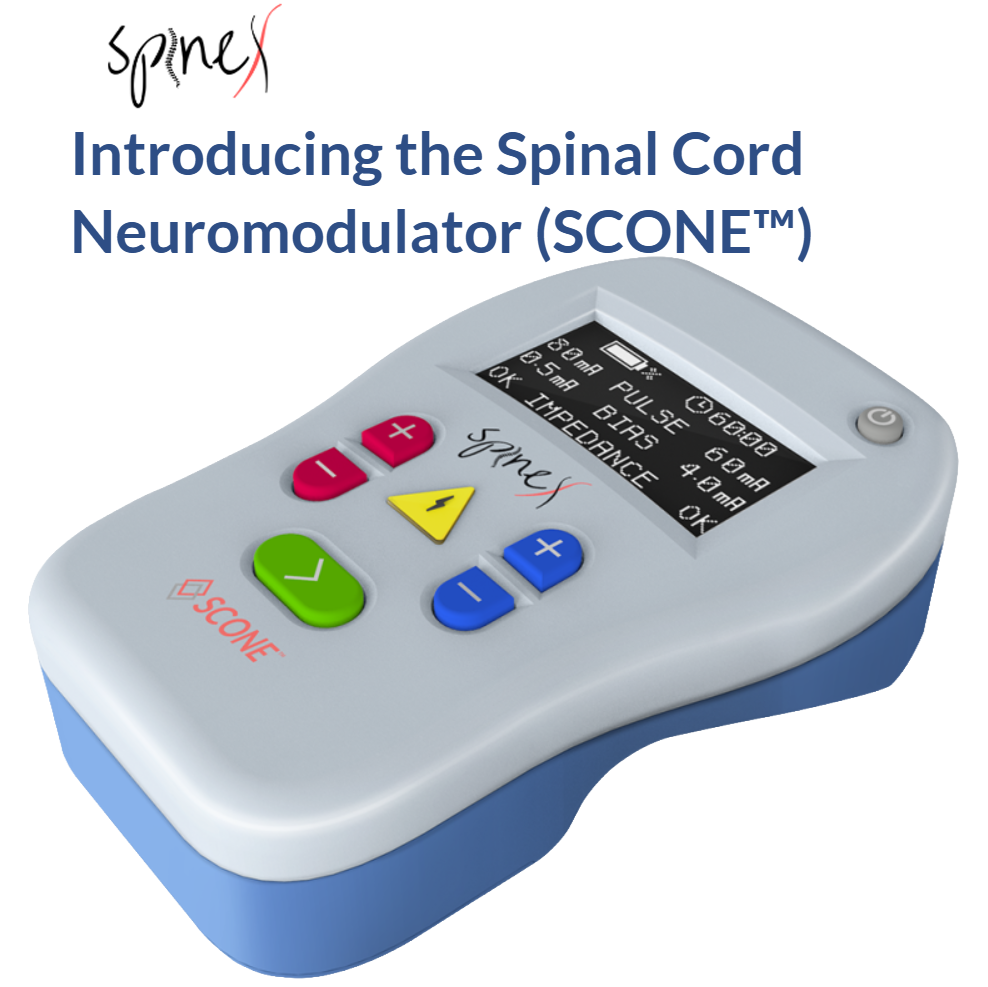
Neuromodulation · Chronic
Non-invasive patterned stimulation over the lower spinal cord reawakens sacral bladder reflex pathways
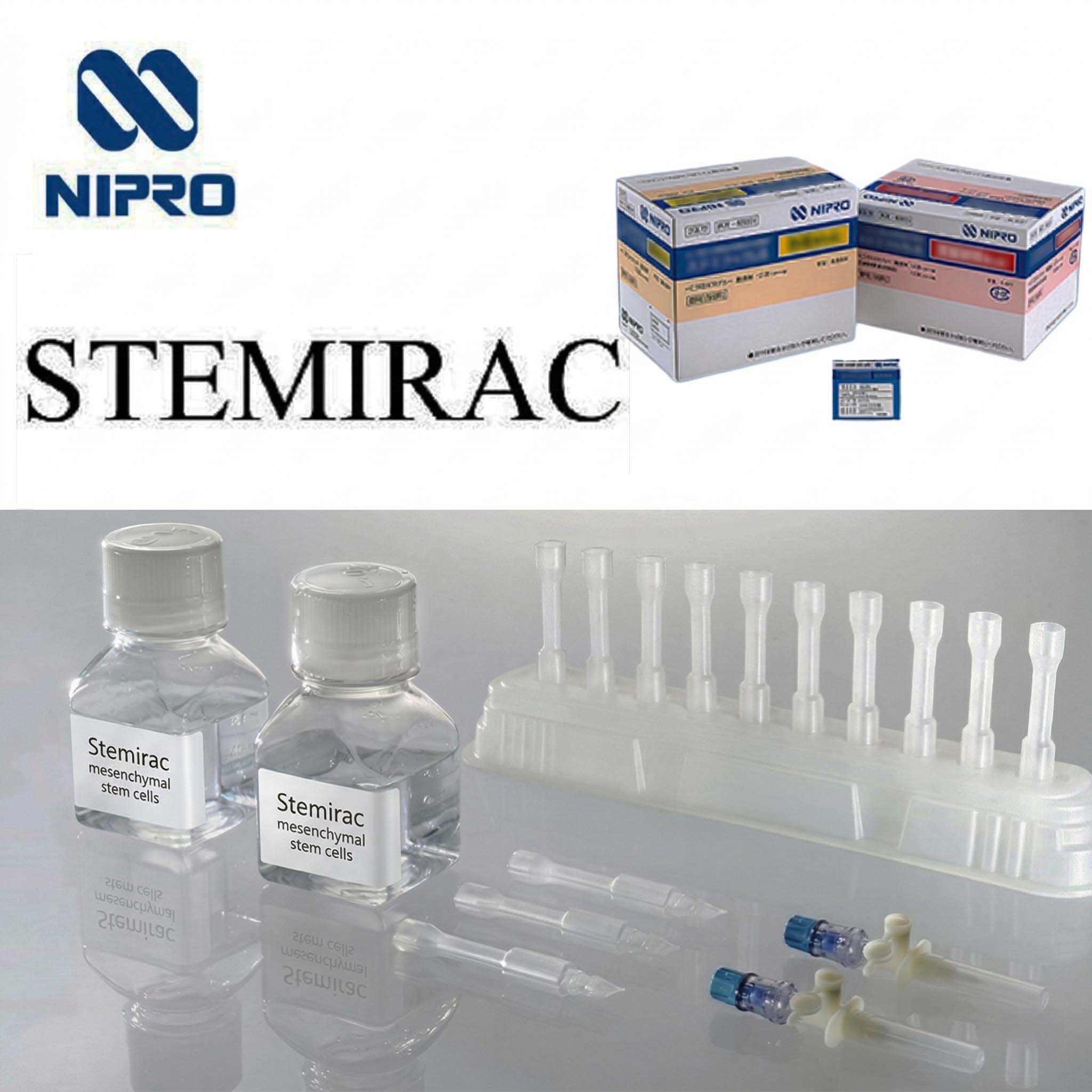
Cell Therapy · Subacute / Chronic
IV infusion of autologous MSCs that home to injury site and secrete neurotrophic/anti-inflammatory factors
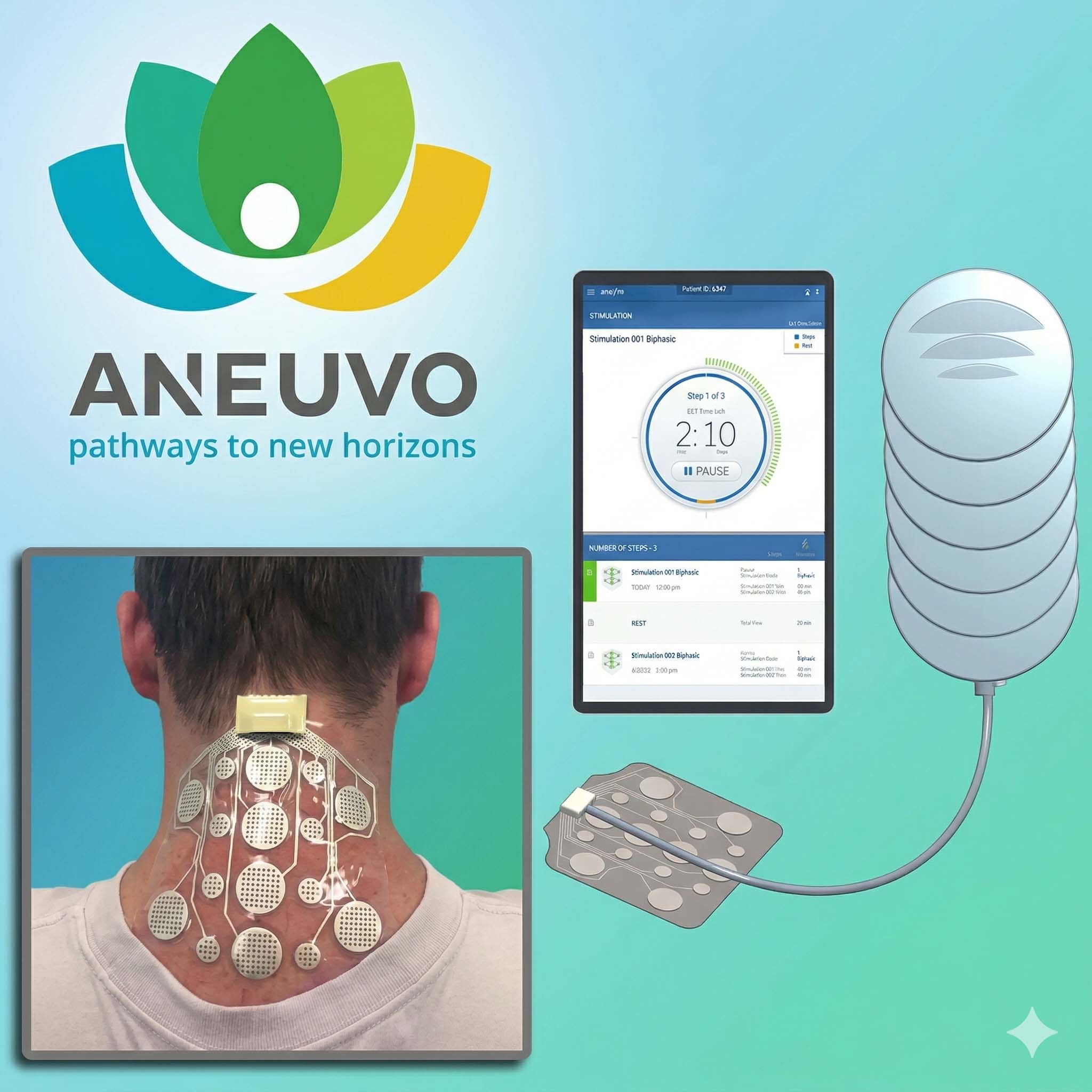
Rehabilitation · Chronic
Wearable FES with 16 electrodes and 30+ programmes retrains brain-body pathways via repetitive task stimulation

Rehabilitation · Chronic
Non-invasive 8-channel FES guides limbs through functional movements to promote neuroplastic recovery
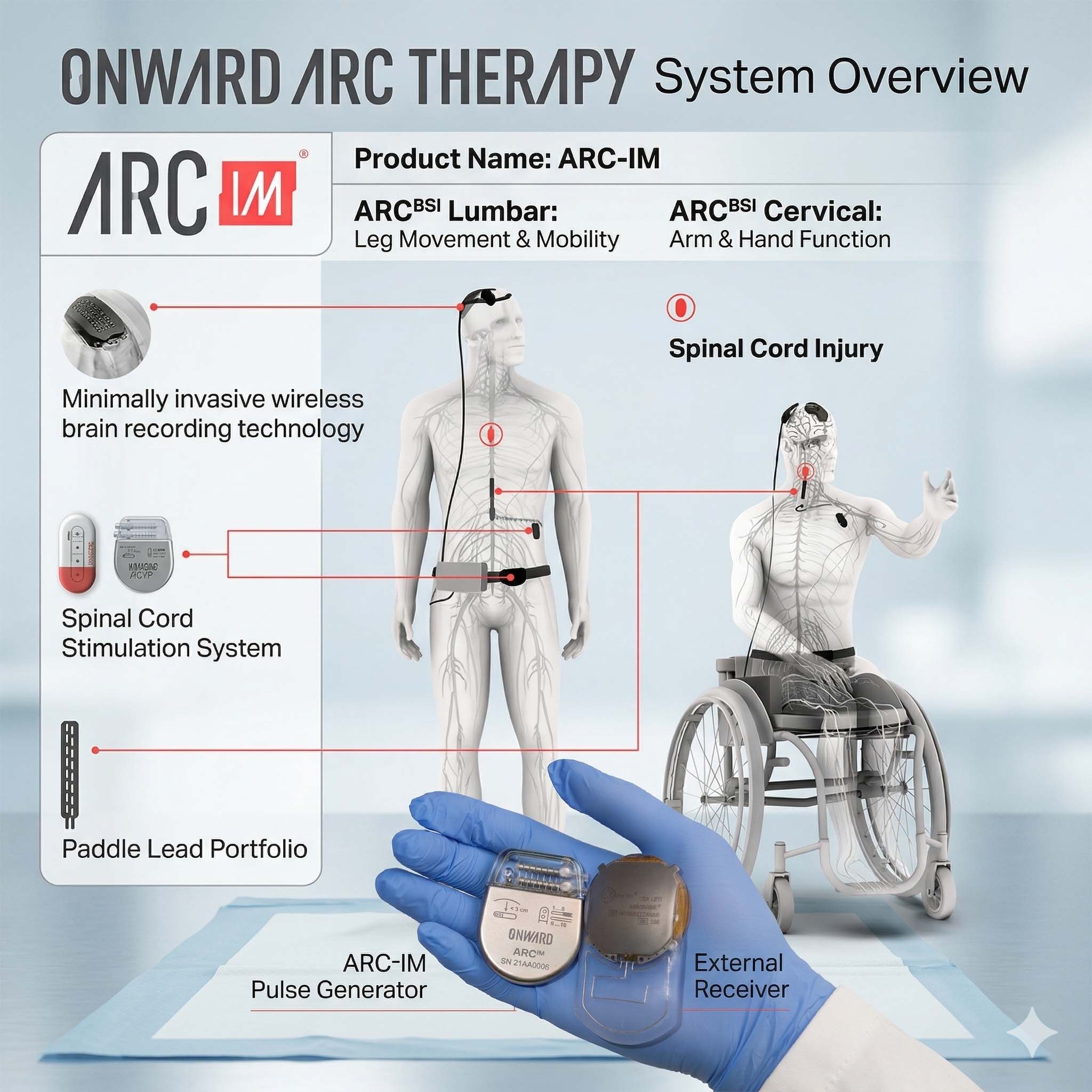
Neuromodulation · Chronic / Subacute
Implanted epidural array targets haemodynamic hotspots to restore movement and blood pressure

Biomaterials · Acute / Chronic
Porcine collagen multi-channel scaffold guides axonal regrowth and reduces cystic cavity formation

Pharmacology · Acute / Chronic
Blocks sodium channels to reduce glutamate excitotoxicity and diminish secondary tissue destruction
Cell Therapy · Acute / Subacute / Chronic
Autologous bone marrow cells reduce secondary injury cascades via neuroprotection

Neuromodulation · Chronic
Stimulation paired with movement releases neuromodulators that reinforce active motor circuits

Pharmacology · Acute
Hepatocyte Growth Factor provides neuroprotection, prevents neuronal death, and promotes angiogenesis

Pharmacology · Acute
Reduces secondary injury by lowering metabolic rate and inflammatory cascades via temperature reduction

Pharmacology · Acute
Anti-apoptotic, anti-inflammatory, and angiogenic growth factor reduces secondary neuronal death

Cell Therapy · Acute / Subacute / Chronic
Allogeneic OPCs replace damaged myelin sheaths and secrete neuroprotective growth factors

Pharmacology · Chronic / Subacute
Synthetic peptide inhibits PTPσ receptors to neutralise the glial scar's growth-blocking signals

Cell Therapy · Chronic
Autologous OECs form a living 3D scaffold-free bridge to physically guide axons across the lesion gap

Cell Therapy · Subacute
iPSC-derived neural stem/progenitor cells integrate into the cord to replace lost neurons and glia

Cell Therapy · Subacute / Chronic
Patient's own Schwann cells myelinate surviving axons and provide a biological bridge for regeneration

Biomaterials · Acute
Porous PLGA matrix supports endogenous cell migration and reduces cystic cavity formation

Gene Therapy · Chronic
Modified HSV delivers botulinum toxin gene to sensory neurons to permanently inhibit overactive bladder

Pharmacology · Chronic
Decoy receptor captures and neutralises myelin-associated inhibitors (Nogo-A, MAG, OMgp) blocking axon growth

Pharmacology · Acute
Monoclonal antibody neutralises Nogo-A protein to lift axonal growth inhibition

Cell Therapy · Acute / Subacute / Chronic
Paracrine release of growth factors, immune modulation, and neurotrophic support from transplanted MSCs

Cell Therapy · Chronic
Fetal neural stem cells provide cell replacement, trophic support, and circuit reintegration

Pharmacology · Acute
Endothelin B receptor agonism promotes anti-apoptosis and neuronal differentiation from endogenous progenitors

Pharmacology · Acute
Rho GTPase inhibitor blocks the "molecular stop sign" at growth cone tips to enable axonal advance

Pharmacology · Acute
Monoclonal antibody inhibits RGMa to block RhoA-Rho kinase axon inhibition pathway and enable regeneration

Cell Therapy · Acute / Subacute
Allogeneic iPSC-derived neural progenitors replace damaged neural cells and restore functional circuits

Neuromodulation · Chronic
Electrodes in midbrain locomotor centres provide a "go" signal to spinal circuits that have lost supraspinal drive

Gene Therapy · Chronic
AAV vector delivers Sox2 to reprogram spinal astrocytes in vivo into new neurons that form functional relays

Rehabilitation · Chronic
Wireless brain implants decode neural activity and control external devices or epidural stimulators, bypassing the injury

Bioengineering · Acute
Seals damaged cell membranes to prevent ion imbalance and secondary cell death immediately after injury

Biomaterials · Acute / Chronic
pH-polymerised human laminin forms a 3D growth-permissive bridge across the injury gap, suppressing scar and guiding axon regrowth

Cell Therapy · Subacute / Chronic
Patient's own peripheral repair cells transplanted into the spinal cord to re-insulate axons and secrete growth factors; engineered gel matrix improves cell survival

Pharmacology · Acute
Suppresses lipid peroxidation and inflammatory reactions; activates Wnt/β-catenin signalling

Bioengineering · Acute / Subacute / Chronic
Specific light wavelengths enhance mitochondrial energy production, reduce inflammation, and shift macrophage polarisation

Pharmacology · Acute / Subacute
Blocks α2δ2 calcium channel subunit to remove developmental axon growth brakes

Neuromodulation · Acute / Subacute / Chronic
Magnetic pulses stimulate or suppress the motor cortex — amplifying surviving signals at high frequency, or dampening pain and spasticity "static noise" at low frequency

Neuromodulation · Subacute / Chronic
Low-intensity continuous current primes sluggish motor neurons to fire, augments adaptive plasticity during rehab, and physically alters microglial morphology to suppress neuroinflammation

Neuromodulation · Acute / Subacute / Chronic
Concentrated sound waves non-invasively modulate spinal circuits via mechanotransduction and alter neural activity

Gene Therapy · Chronic
Deletion of PTEN and SOCS3 genes activates mTOR/JAK-STAT pathways to restore intrinsic axon regeneration capacity

Pharmacology · Subacute / Chronic
Enzymatic digestion of CSPGs in the glial scar removes the extrinsic chemical barrier to axon growth

Diet / Supplement · Acute
Energy substrate replenishment and ROS scavenging blocks mitochondrial permeability transition pore opening

Diet / Supplement · Acute
Ketone bodies provide alternative TCA cycle fuel and suppress reactive oxygen species after energy failure

Pharmacology · Acute
Dual natural compound therapy reduces oxidative stress and neuroinflammation synergistically

Immunology · Acute
Inhibits microglial proliferation to reduce the neuroinflammatory cascade driving secondary neuronal death

Biomaterials · Acute
Hydrogel delivers SDF1α (stem cell recruiter) then paclitaxel (neuronal differentiation inducer) in sequence

Pharmacology · Acute / Chronic
Smoothened agonists reprogram Schwann cells into a repair phenotype to promote peripheral-style nerve regeneration

Biomaterials · Acute
Self-assembling supramolecular peptide nanofibers create a bioactive scaffold that mimics the ECM and activates β1-integrin growth signalling

Gene Therapy · Acute
MSC-derived exosomes deliver PTEN-targeting siRNA intranasally to suppress the axonal growth brake in spinal neurons

Pharmacology · Acute
Upregulates Shmt2 to restore mitochondrial metabolism and suppress neuroinflammation

Gene Therapy · Chronic
dCas9-based transcriptional activators upregulate neurogenic transcription factors to reprogram astrocytes into neurons

Cell Therapy · Acute / Subacute
Healthy mitochondria injected directly into injured spinal cord tissue are absorbed by energy-starved cells, restoring ATP production and halting the apoptotic cascade

Immunology · Acute / Subacute
T cells genetically reprogrammed with injury-targeting receptors to act as "peacekeepers" — releasing anti-inflammatory cytokines that shift the immune environment from destruction to repair

Immunology · Acute / Subacute
Pre-programmed anti-inflammatory (M2) immune cells transplanted to outcompete destructive (M1) cells, resolving neuroinflammation and secreting tissue-repair factors

Cell Therapy · Acute / Subacute / Chronic
Cell-free nanoscopic vesicles from stem cells deliver anti-inflammatory miRNAs and neurotrophic proteins — all the healing benefits of stem cell transplants without the risks

Diet / Supplement · Acute / Subacute / Chronic
Restoring the Gut-Spinal Cord Axis by transplanting healthy gut bacteria to repair the leaky gut, stop systemic inflammation, and flood the bloodstream with neuroprotective SCFAs

Neuromodulation · Acute / Subacute
Oscillating electrical currents synchronise neural networks and activate PI3K/AKT and cGMP-PKG pathways to halt ferroptosis (cellular rusting) and drive neurite outgrowth
No therapies match the current filters.