Insights into all the latest

Research in the News

Tracking the pulse of the latest spinal cord injury research news — from lab breakthroughs to clinical milestones.

Author's Current Top 3 to Read

1

31 JUL 2026

Breathing After High Cervical SCI Without a Ventilator: The Surgery More People Should Know Exists
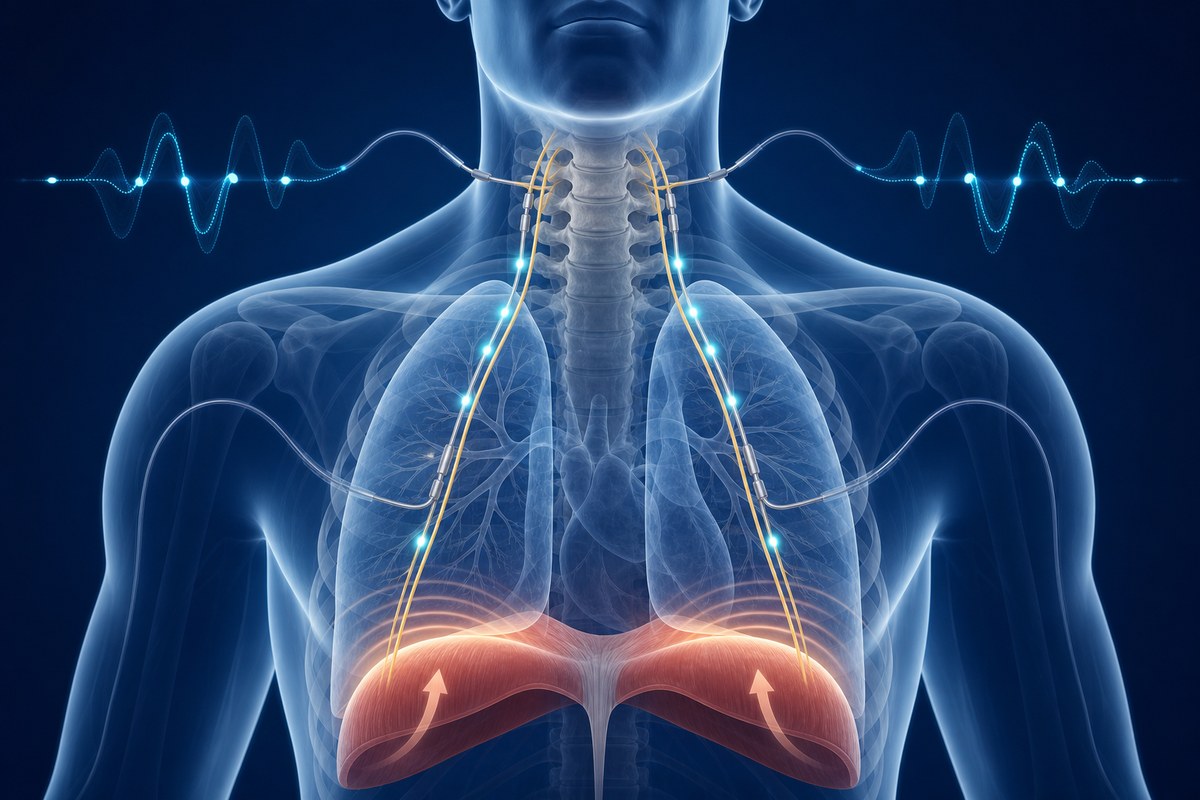
When two-year-old Maverick sustained a high cervical spinal cord injury in a crash, his parents were told he would never breathe without a machine. In January 2026, surgeons at Oklahoma Children's made him the youngest person in the world to undergo phrenic nerve stimulation — a procedure that bypasses the injured cord to restore breathing. Here's what it is, who it can help, and why it isn't more widely known.

Deep Dive

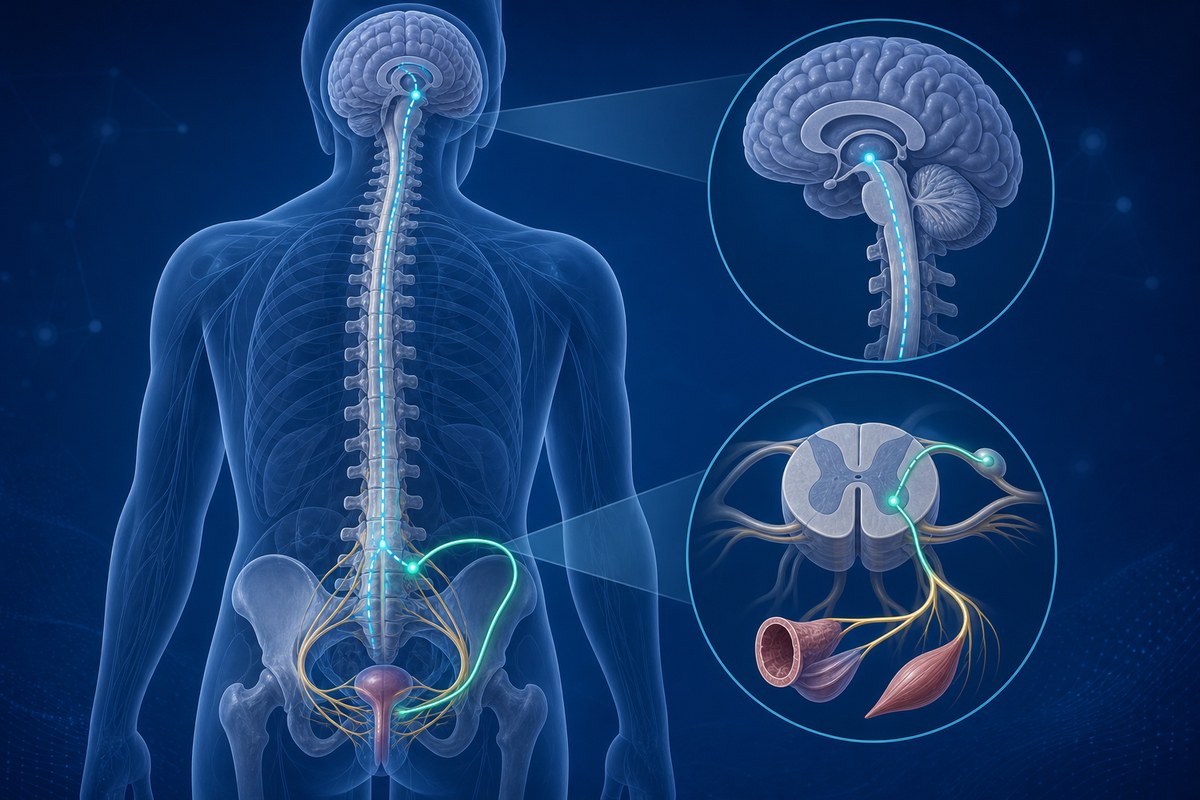
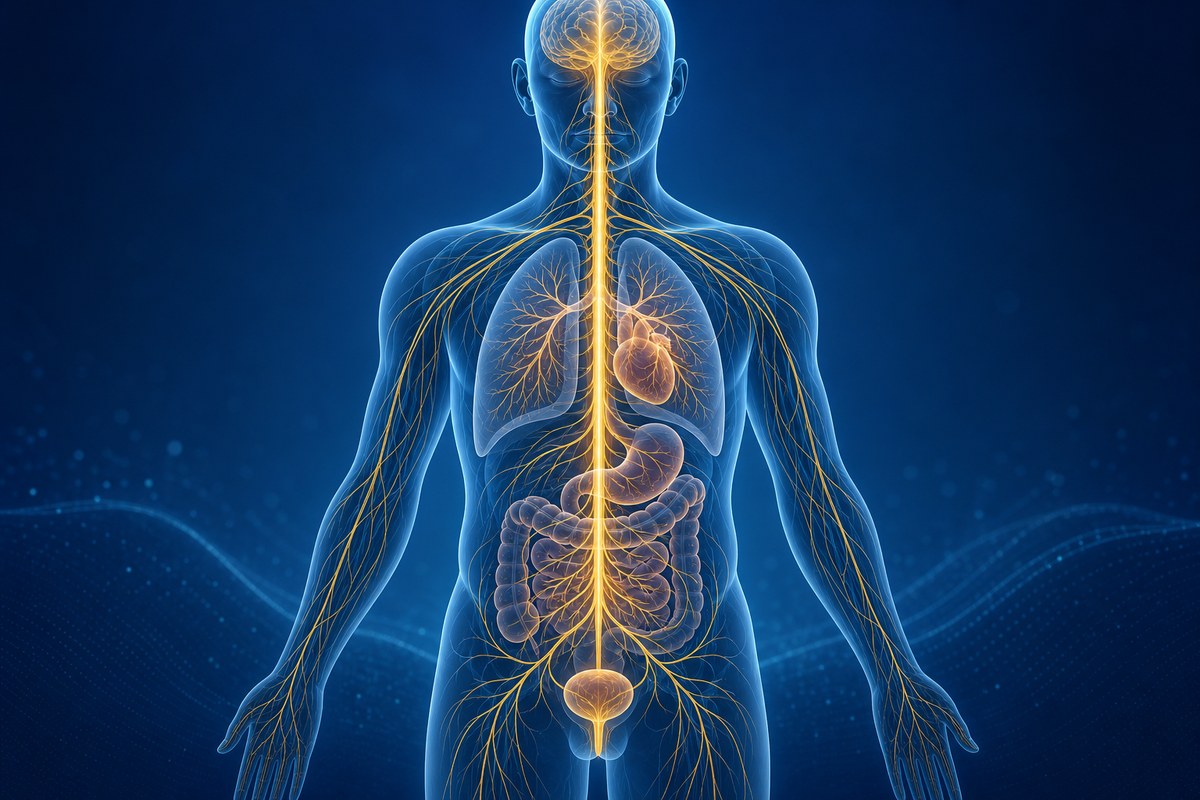
Most people with a high cervical spinal cord injury spend the rest of their lives on a ventilator. Not because their lungs have failed. Not because their diaphragm has stopped working. But because the signal the brain sends to start breathing — travelling down through the spinal cord to the phrenic nerve, the nerve that controls the diaphragm — can no longer get through.

That signal pathway is broken at the cord. But the phrenic nerve itself, in most high cervical injuries, is completely intact. And that is the opening that phrenic nerve stimulation — also called diaphragmatic pacing — exploits.

On 30 July 2026, Oklahoma Children's OU Health published the story of Maverick, a Missouri toddler who suffered a catastrophic cervical SCI in a road crash at 18 months old. He became the youngest person in the world to have phrenic nerve stimulators implanted following a spinal cord injury — at just over two years old, in January 2026. He is now breathing with his own diaphragm, electrically triggered, without a ventilator for stretches of time and progressing further.

His family says they wish more people knew this procedure existed. They're right to say so.

Why breathing fails after high cervical SCI

The phrenic nerves originate in the cervical spinal cord at the C3, C4, and C5 levels — roughly mid-neck. They travel down through the chest and connect to each side of the diaphragm, the dome-shaped muscle that does most of the work of breathing. When the brain signals a breath, the message travels down the cord, exits at C3–C5, and drives the diaphragm to contract and pull air into the lungs.

A spinal cord injury above C3 severs this chain at the cord. The phrenic nerves below the injury remain intact. The diaphragm remains intact. There is simply no signal reaching either of them.

This is where the ventilator steps in: it pushes air into the lungs mechanically, doing the work the diaphragm can no longer do. It is life-saving. But it has real downsides — which is exactly why phrenic nerve stimulation exists.

What phrenic nerve stimulation is

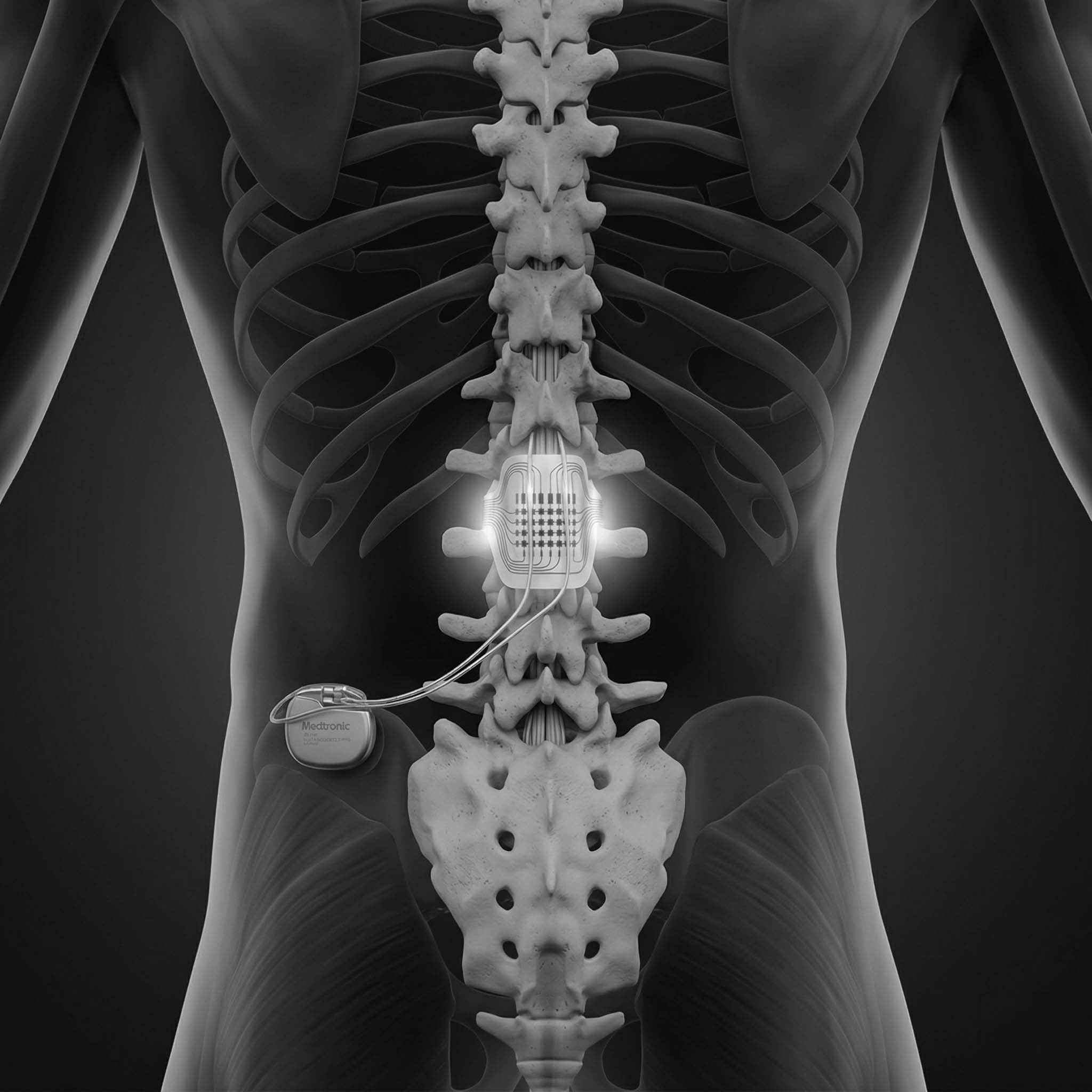
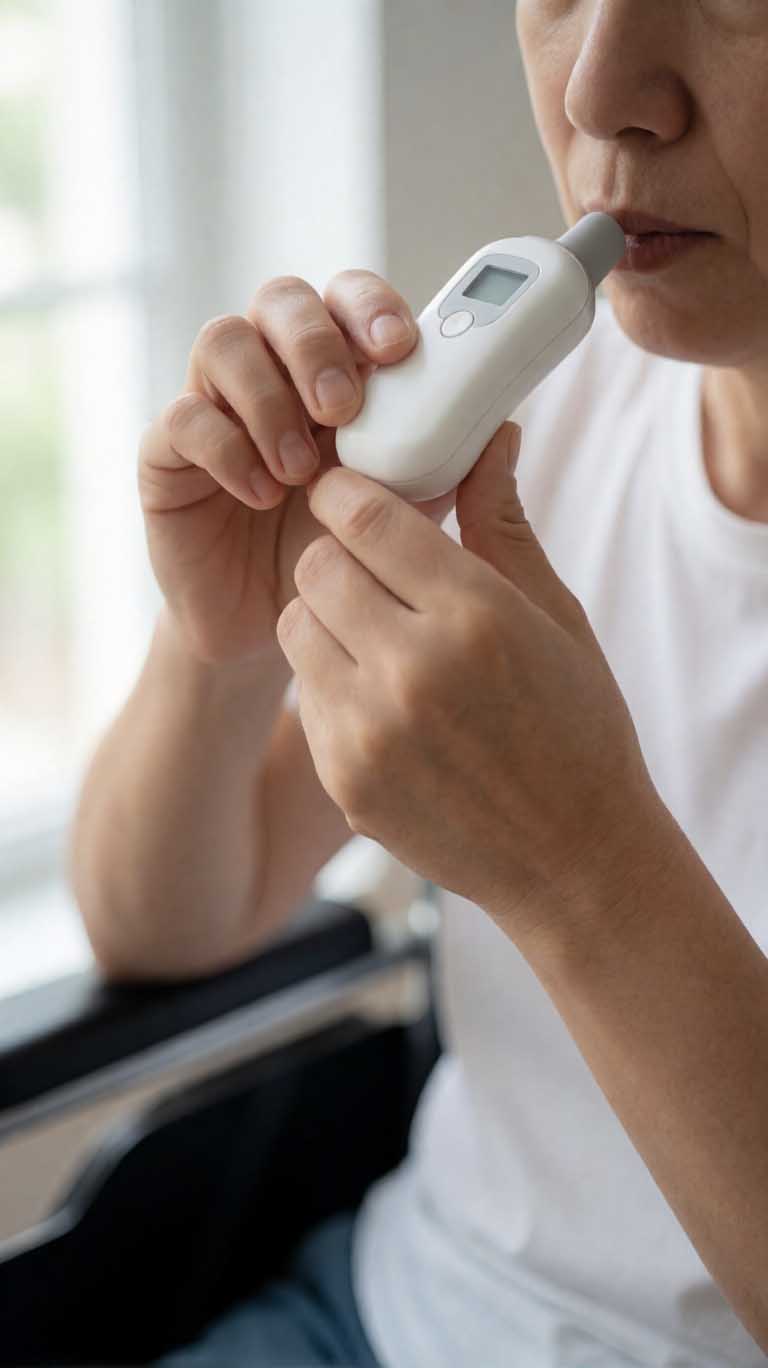
The procedure places small electrodes surgically around or near the phrenic nerve (or at the nerve's entry points into the diaphragm, depending on approach). These electrodes connect to a receiver implanted under the skin. An external control unit transmits electrical pulses through the skin to the receiver, which passes them on to the electrodes, which cause the phrenic nerve to fire — and the diaphragm to contract. A breath follows.

The timing and intensity of those pulses are adjusted to produce a normal breathing rhythm. With conditioning over weeks to months — the diaphragm is a muscle, and needs to be rebuilt after disuse — many patients go from a few hours off the ventilator each day to spending most or all of the day breathing with the pacer. Some transition off the ventilator entirely.

There are two main device types. The conventional approach uses an electrode on the phrenic nerve connected to a subcutaneous receiver and an external radiofrequency transmitter worn on the skin. The Diaphragmatic Pacing System (DPS) places four electrodes directly into the diaphragm at the nerve insertion points, connected to an external pulse generator through a socket at the skin surface. Each approach has clinical uses; the DPS in particular allows stimulation even when the phrenic nerve higher up is partially compromised.

Who qualifies

The key requirement is that the phrenic nerve itself must be intact and functional. Before surgery, phrenic nerve conduction studies — electrical tests of nerve function — confirm whether the nerve can carry a signal.

Patients with SCI above C3 are the clearest candidates: the injury is above where the phrenic roots exit the cord, so the nerve below is undamaged and can be stimulated at the neck, chest, or diaphragm.

Mid-cervical injuries (at C3–C5 itself) are more complex, since the injury may directly involve the nerve roots. In these cases, direct diaphragmatic pacing through the DPS system can sometimes still work by stimulating the nerve at the diaphragm rather than higher up.

Beyond SCI, the procedure is used in congenital central alveolar hypoventilation syndrome (where the brain's breathing control fails), brainstem tumours, Arnold-Chiari malformations, and certain neuromuscular conditions.

How the surgery is done

Surgeons can reach the phrenic nerve three ways. The cervical approach accesses the nerve directly in the neck — the most direct route, typically used for high SCI. The thoracic approach uses keyhole video-assisted chest surgery (VATS) to reach the nerve as it runs alongside the heart. The diaphragmatic approach is laparoscopic — small incisions in the abdomen — and places electrodes where the nerve meets the diaphragm. This is the route used for the DPS device and is available even when the nerve higher up is unreliable.

Both sides are usually done two weeks apart to allow recovery between procedures.

Why it beats a ventilator for most patients

Ventilators save lives, and many people with high SCI live full lives on them. But the practical burden is real: a ventilator requires a tracheostomy (a permanent opening in the windpipe), carries ongoing infection risk, needs an uninterrupted power supply, and is a disconnection risk. Speaking is harder. Taste diminishes over time. Mobility is constrained.

Phrenic nerve stimulators are a closed system once implanted. Most patients keep their tracheostomy initially as a safety backup, but the breathing itself comes through the pacer rather than the machine. Speech follows the natural rhythm of the pacer. Taste is preserved. The device is small and unobtrusive. Because the diaphragm contracts naturally — even if electrically triggered — breathing mechanics are closer to normal, which is better for long-term lung health.

In February 2026, NICE in the UK issued guidance (HTG727) formally endorsing phrenic nerve pacing for ventilator-dependent patients with high cervical SCI — a signal that clinical consensus around the technology is consolidating.

Why it isn't more widely known

Phrenic nerve stimulation has existed since the 1970s — Christopher Reeve used a diaphragmatic pacer in his later years. The technology has improved significantly: devices are smaller, laparoscopic implantation is less invasive than early open surgery, and FDA approval has made the DPS accessible across the US.

But it remains a specialist procedure, concentrated at a small number of centres with specific experience. Awareness among patients, families, and even some clinicians is still limited — which means people who might benefit are sometimes not told it exists. Maverick's case, as the youngest patient in the world to undergo the procedure after SCI, brings it to a wider audience at a moment when guidance and availability are both moving in the right direction.

Reader Q&A

Does everyone with a high cervical SCI qualify?

Not automatically — phrenic nerve function has to be confirmed first through nerve conduction tests. Most people with injuries above C3 do qualify, since the phrenic nerve below the injury is typically intact. People with injuries at C3–C5 need careful assessment, but some still qualify via the diaphragmatic approach. A specialist centre with experience in the procedure is the right place to be evaluated.

Can it replace the ventilator completely?

For many patients, yes, at least for daytime use. Some manage without the ventilator at all. The process involves a conditioning phase — the diaphragm has usually weakened from disuse and needs time to rebuild — which takes weeks to months. Others use the pacer during the day and non-invasive ventilation at night. The combination depends on the individual. Tracheostomies are often kept in place initially as backup, and removed later once breathing is stable.

What age can it be used from?

Maverick's surgery extends the known lower age limit to just over two years old. The Christopher & Dana Reeve Foundation notes that paediatric use of diaphragmatic pacing has actually driven adoption faster than in adults, partly because children's developing nervous systems are more adaptable. Surgeons experienced in paediatric implantation are needed for young patients — but the procedure is not age-restricted in principle.

Is it available in the UK?

Yes, at specialist centres, and with growing clinical support. The February 2026 NICE guidance (HTG727) formalises it as a recommended option for ventilator-dependent high cervical SCI patients, which should strengthen access through NHS pathways. Referral to a specialist spinal or respiratory centre is the starting point.
Read full article → (external link)
2

15 JUL 2026

How to train your breathing after SCI: intensity beats everything else

A study of 81 people with SCI at Switzerland's leading rehabilitation centre found that training intensity and duration predict respiratory improvement far more than injury level or personal characteristics.

Deep Dive

If you have a spinal cord injury — particularly at a cervical or high thoracic level — the muscles that control your breathing are likely affected. Most people with SCI know this in a general way: reduced lung capacity, difficulty clearing the chest after illness, or shortness of breath with effort. What's been less clear is which training approach actually improves this, and whether the severity of your injury limits what's possible.

New research from the Swiss Paraplegic Centre in Nottwil — one of Europe's leading SCI rehabilitation hospitals — gives a more concrete answer than we've had before. The headline finding is both simple and actionable: train hard, train often, and keep going for at least three months. Almost everything else is secondary.

What the study did

Researchers analysed data from 81 people with SCI who completed respiratory muscle training programmes at the Swiss Paraplegic Centre. Participants spanned a range of injury levels and severities — both complete and incomplete injuries — as well as different ages, body types, and baseline fitness levels. This mix was deliberate: the researchers wanted to understand which factors predicted better respiratory outcomes at the end of training.

The training used inspiratory muscle training (IMT) devices — small handheld tools that add resistance to your breathing, similar in principle to a breathing weight. Participants trained at varying intensities and for varying durations as part of their rehabilitation plans.

What they found

When the researchers modelled which factors predicted improvement in respiratory muscle strength, training intensity and programme duration emerged as the dominant predictors — by a significant margin. Personal characteristics like age, sex, and body weight had comparatively little predictive power. Injury characteristics — level, AIS classification (complete vs incomplete), and time since injury — also mattered far less than the training variables themselves.

The practical implication is striking: someone with a complete C4 injury who trains consistently at high intensity for four months is likely to see more improvement than someone with an incomplete C6 injury who trains at moderate intensity for six weeks. The injury doesn't cap your gains as much as the training approach defines them.

The researchers' specific recommendations: train at the highest intensity you can sustain, three to five times per week, for a minimum of three months.

Why respiratory muscle strength matters so much

Pneumonia is the leading cause of death in people with AIS A (complete motor and sensory loss) and AIS B (complete motor loss, some sensory preserved) spinal cord injuries. The primary reason is that impaired respiratory muscles make it harder to cough forcefully and clear the airways of secretions — a problem that becomes critical during a chest infection.

Stronger respiratory muscles translate directly into a more effective cough, better ability to manage respiratory illness at home, and — critically — a reduced risk of pneumonia requiring hospitalisation or mechanical ventilation. The stakes are high enough that this is one area of rehabilitation where the evidence really matters.

Why this study is worth paying attention to

The Swiss Paraplegic Centre treats around 300 new SCI patients a year and carries one of the largest longitudinal SCI rehabilitation datasets in the world. Research from this centre tends to be grounded in clinical reality rather than tightly controlled experimental conditions — these were real patients doing real rehabilitation, not a highly selected research cohort. That makes the findings more directly applicable to practice.

The study also addresses a question that's been genuinely uncertain: does it matter who you are, or does it matter what you do? The answer, clearly, is the latter. That's useful information for patients deciding whether to invest in a training programme, and for clinicians deciding how to structure one.

Reader Q&A

Should I be doing respiratory muscle training? If you have a cervical or upper thoracic SCI and you ever notice difficulty clearing your chest, shortness of breath, or recurring respiratory illness, then yes — it's worth discussing with your physiotherapist or rehabilitation doctor. The evidence is now reasonably strong that structured training helps, and the risk is low.

What kind of device is used? Inspiratory muscle training (IMT) devices are small handheld tools you breathe through against adjustable resistance. They're available without prescription and relatively inexpensive. Your physiotherapist can advise on the right resistance level and technique for your situation.

Does this apply to incomplete injuries too? Yes. The study included both complete and incomplete injuries, and the key finding — that training intensity matters more than injury characteristics — applied across the range.

What if I've had my SCI for years? Is it too late to benefit? Time since injury was not a strong predictor of training response in this study, which suggests it's never too late to benefit. That said, starting respiratory training earlier in rehabilitation tends to establish better habits and baselines — so earlier is generally better, but later is still worth doing.

Read full article → (external link)
3

15 JUL 2026

China performs first commercial brain-computer interface surgery for spinal cord injury

On July 13, a 35-year-old man with cervical SCI became the first person in the world to receive a commercially approved implanted brain-computer interface, during a six-hour surgery at Huashan Hospital in Shanghai.

Deep Dive

Last Sunday, a surgical team at Huashan Hospital — one of China's most prominent neurosurgical centres, affiliated with Fudan University in Shanghai — spent six hours implanting a small array of electrodes into the brain of a 35-year-old man who had lost voluntary use of his hands following a cervical spinal cord injury.

This wasn't an experimental procedure in the usual sense. The device they used — the NEO system, developed by Chinese company Neuracle Technology — had just received commercial approval from China's National Medical Products Administration (NMPA), the country's equivalent of the FDA. This surgery was the first performed under that approval.

If that sounds significant, it is. Until last week, no implantable brain-computer interface had ever been granted commercial approval anywhere in the world. Every previous BCI implanted in a person with paralysis — including those in US Neuralink trials — was done under research exemptions, not as a licensed product a doctor could simply prescribe. We covered the regulatory milestone when it was announced earlier this week; Sunday's surgery is the next chapter.

What the device does

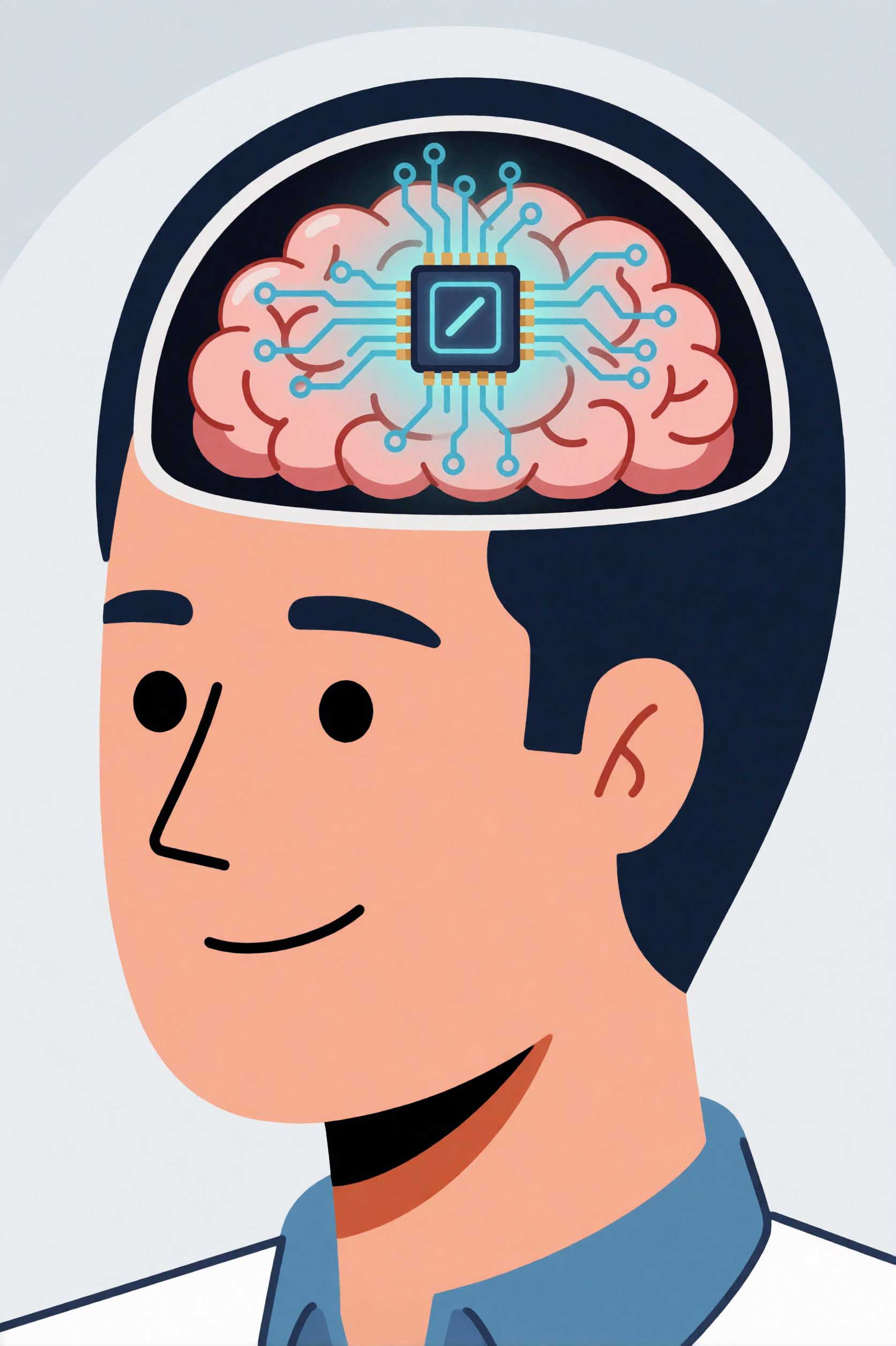
The NEO system is designed for people with cervical SCI — specifically those with injuries between C3 and C7 — who have lost voluntary control of their hands and fingers. The device consists of electrodes implanted into the motor cortex, the part of the brain that controls voluntary movement. It reads the electrical signals the brain generates when the person *thinks* about moving their hand, and translates those signals into commands that can stimulate muscles or control external devices.
The goal is what researchers call "thought-controlled muscle rehabilitation" — restoring functional hand use by creating a new pathway between brain and muscle that bypasses the damaged cord.

Following the surgery, the patient will need to commit to six hours of rehabilitation per day to train the system and rebuild functional connections. That's intensive, and it underscores that this isn't a passive implant — it requires significant sustained effort from the person receiving it.
Why China, and why now

China has an estimated 3.7 million people living with spinal cord injuries — one of the largest SCI populations in the world. Neuracle Technology has been developing the NEO system for several years, with clinical trials demonstrating safety and some functional benefit sufficient for the NMPA to grant commercial approval.
The specific evidence package used to support the approval hasn't been published in full, but the fact that a sovereign national regulator — with its own evidence standards — granted commercial status to an implantable BCI is notable. No other country has done this yet.

What this doesn't mean yet

It would be easy to read "commercially approved BCI" and assume this technology is now broadly available. It isn't. The NEO system is approved in China. It has not been reviewed by the FDA, the European Medicines Agency, or the MHRA. The approval pathway in China, while rigorous, differs from Western jurisdictions, and each regulator will require its own evidence review.

Access will also depend on cost, surgical infrastructure, and — critically — post-surgical rehabilitation resources. Six hours of therapy daily is a serious commitment, one that requires substantial clinical support to sustain.

None of this diminishes what happened on Sunday. For the first time in history, an implantable BCI for paralysis has moved from experimental to commercial, and the first patient has received it. The regulatory door has been opened. The scientific and commercial pressure to bring equivalent devices through the FDA and European processes will only grow.

Reader Q&A

Could someone with SCI get this surgery right now? Not outside China, and even within China, access will depend on cost, clinical eligibility, and availability of surgical centres experienced with the procedure. This is a brand-new commercial product — the first surgery was performed last Sunday.

Is the NEO system the same as Neuralink? No. Neuralink is a US company with its own design still in clinical trials. Neuracle Technology is a separate Chinese company whose device has now received commercial approval — a stage Neuralink has not yet reached.

Does this mean there's a cure for hand paralysis after SCI? No. The NEO system creates a new communication pathway between brain and muscles, but it doesn't repair the spinal cord. It's an assistive technology that, with intensive rehabilitation, may allow some people to regain functional hand use. The extent of recovery will vary by individual.

When might something like this be available in the UK, US, or Europe? Genuinely unknown. It would require separate regulatory submissions, clinical trials acceptable to the FDA or MHRA, and likely several more years of development. The China approval is a significant milestone, but it doesn't shorten any other regulator's pathway.
Read full article → (external link)

Latest SCI Developments

Filter by main category

Research Treatments 15 AUG 2026

NurExone Looks Inside the Tissue: More Myelin in ExoPTEN-Treated Rats

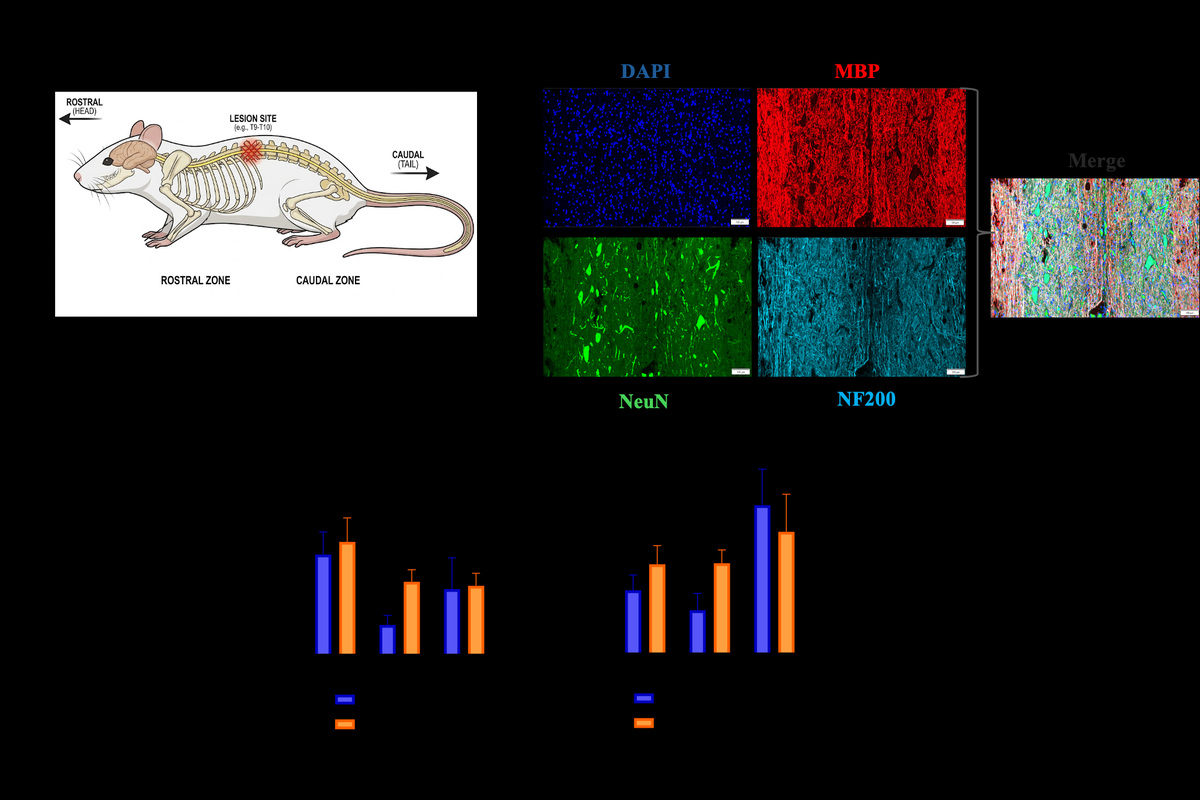
NurExone has released tissue-analysis data from an earlier animal study of ExoPTEN, its exosome-based treatment for acute spinal cord injury. Two months after injury, treated animals had significantly more myelin-positive cells on both sides of the injury than untreated controls. It is preclinical, in rats, and the company has not yet started a human trial.

Read More

Deep Dive

When a company reports that an experimental treatment improved movement in injured animals, the obvious next question is: *why?* What actually changed inside the spinal cord to produce that result?

NurExone Biologic — a Toronto- and Haifa-based company developing exosome therapies for central nervous system injury — has just published its attempt to answer that for ExoPTEN, its lead candidate. On 14 August it reported new tissue-analysis findings from spinal cords collected during an earlier efficacy study, the one that produced the functional recovery it announced back in July 2025.

What ExoPTEN is

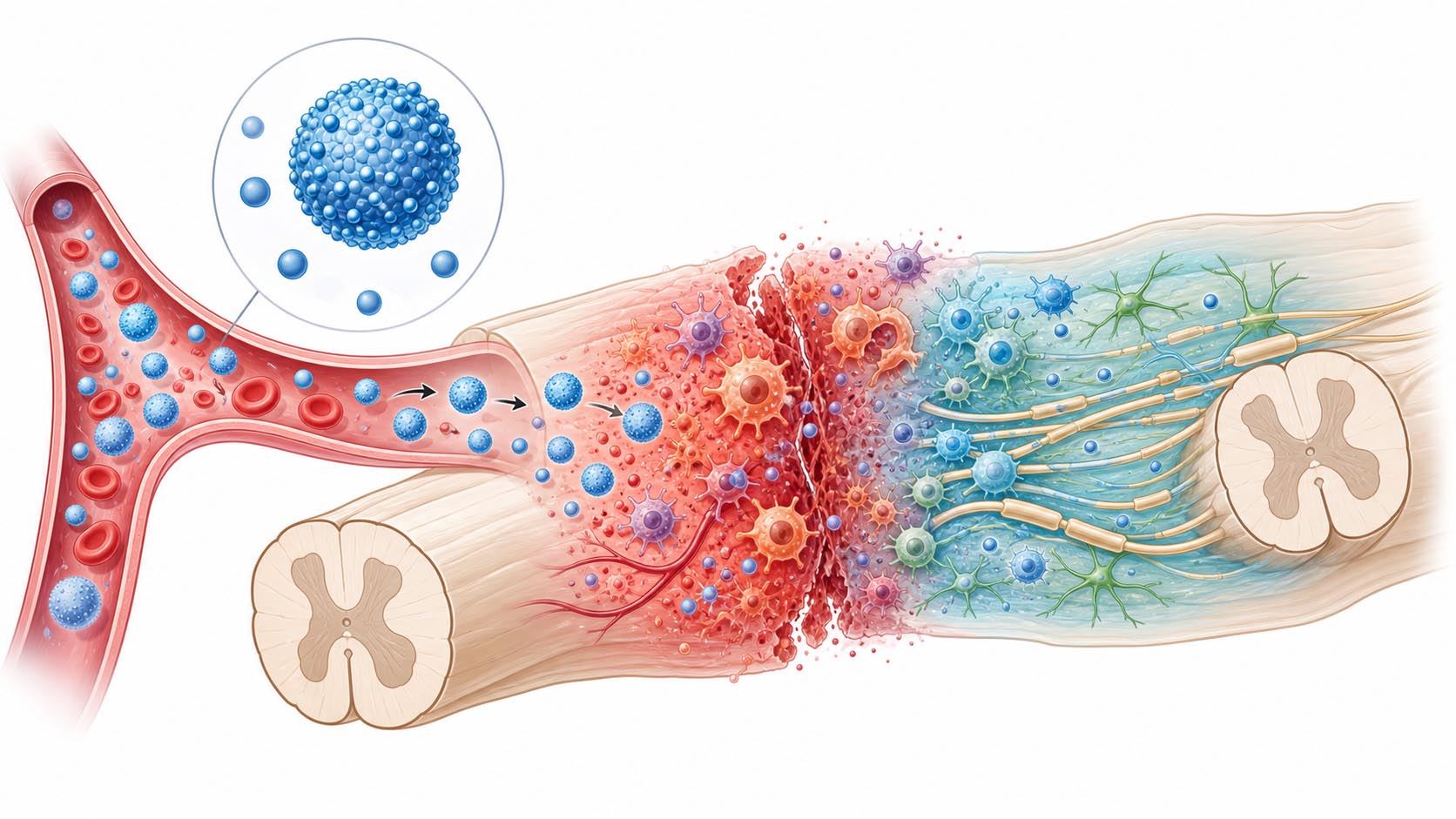
ExoPTEN is built on exosomes — tiny membrane-wrapped packages that cells naturally release to ferry molecules to other cells. They are small enough to slip into tissue that is difficult to reach, which makes them attractive as delivery vehicles.

NurExone takes naïve exosomes from bone marrow and loads them with siRNA (a short piece of genetic material that switches off a specific gene) aimed at PTEN. PTEN is a brake. In neurons it suppresses the growth machinery that would otherwise let a damaged nerve fibre regrow. Turning PTEN down, temporarily and locally, is a long-standing idea in regeneration research — the appeal of ExoPTEN is the delivery method, which is intended to be minimally invasive rather than requiring direct surgical injection into the cord.

What the new analysis found

The company went back to spinal cord tissue from the earlier rat study and stained it for three markers:

- NeuN — labels neuronal nuclei and cell bodies - NF200 — labels neuronal axons and cell bodies - MBP (myelin basic protein) — labels myelin, the fatty insulating sheath wrapped around nerve fibres

Three regions were assessed separately: the injury site itself, the region *rostral* to it (towards the head) and the region *caudal* to it (towards the tail).

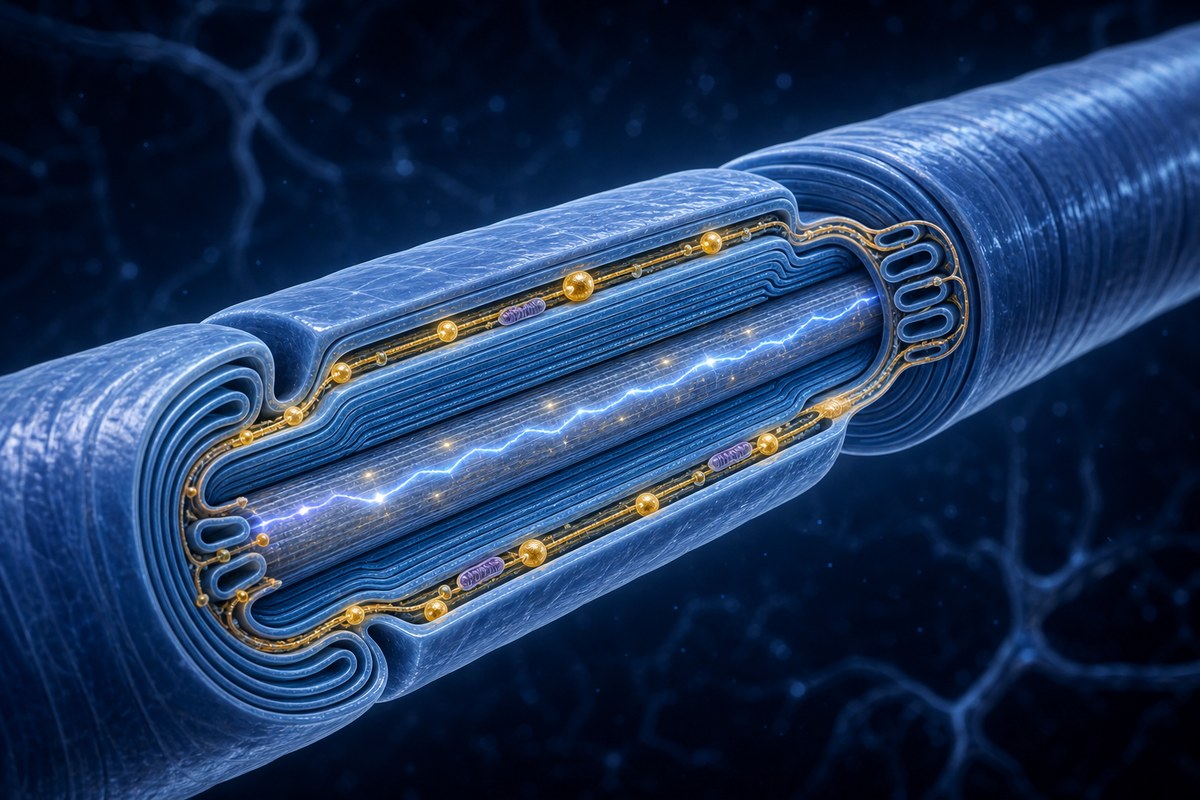
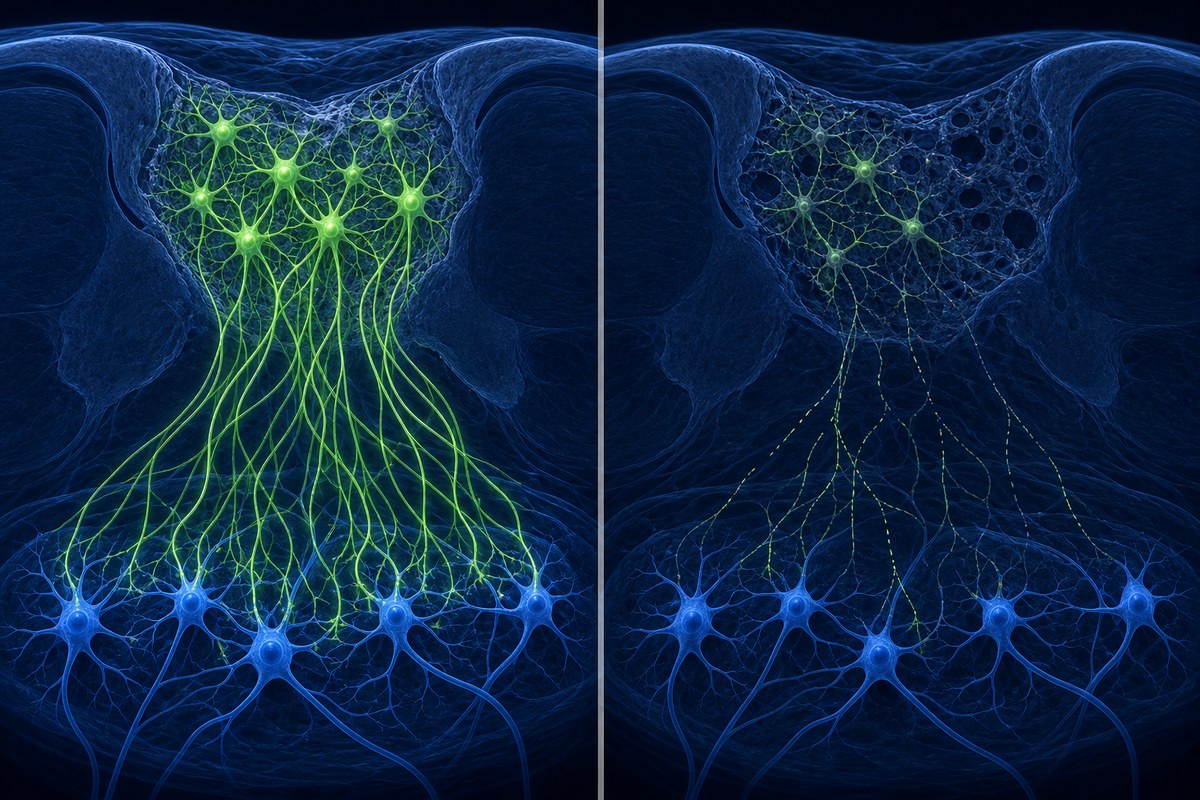
The headline result is about myelin. Two months after injury, ExoPTEN-treated animals had significantly more MBP-positive cells than controls in both the rostral region (p=0.01) and the caudal region (p=0.04). Myelin matters because a nerve fibre without its insulation is a wire with the coating stripped off — the signal degrades or fails. More surviving myelin on both sides of the lesion is consistent with tissue having been protected rather than lost.

"Nerve cells depend on a protective coating, much like electrical wires depend on insulation, to carry signals," said Dr Tali Kizhner, NurExone's director of R&D. The company frames the finding as biological support for the movement improvements it had already reported, not as a new efficacy result.
How much weight this carries

Some honest framing is needed here.

This is a company press release about preclinical work in rats, not a peer-reviewed paper. ExoPTEN has not been tested in humans and its safety and efficacy in people are unknown. The company says so plainly in its own disclosures.

It is also a retrospective analysis of tissue from a study that had already reported a positive result. That is a completely legitimate thing to do — it is how you build a mechanistic story — but it is not independent confirmation. The p-values (0.01 and 0.04) are statistically significant but not overwhelming, and no sample sizes were given in the announcement.

What is genuinely useful is that the myelin result points in the same direction as the functional result. Preclinical programmes fall apart when the biology and the behaviour disagree. Here they agree, which is a reasonable, if modest, step forward for a company heading towards regulatory submissions and eventual clinical trials.

Reader Q&A

Is this a treatment I could get?

No. ExoPTEN is a preclinical candidate. It has not been approved by any regulator and has not entered human trials. NurExone has an orphan drug designation, which helps with the regulatory pathway, but that is not approval and says nothing about whether it works in people.

Would it help someone with a long-standing injury?

ExoPTEN is being developed for *acute* spinal cord injury — given in the window shortly after the trauma, when the goal is protecting tissue that is still dying. The mechanism here is neuroprotection, not repair of an injury that is years old. Chronic injury would be a different and much harder problem.

Why should more myelin translate into better function?

In principle, preserved myelin means preserved conduction — surviving fibres can still carry signals past the damaged zone. But this study measured myelin-positive cells, not signal conduction, and the link between the two is inferred rather than demonstrated. It is a plausible explanation for the earlier functional result, not proof of one.

Rats have been "cured" of spinal cord injury many times. Why is this different?

It may not be. The gap between rodent recovery and human benefit is the single biggest problem in this field, and plenty of promising animal results have gone nowhere. The reasonable position is interest without expectation: watch what happens when it reaches a human trial, and judge it then.

Read full article → (external link)
Living with SCI Community 15 AUG 2026

Putting a Number on Peer Support: Canada's SCI Evaluation Tool Goes Into Use

Spinal Cord Injury BC reports it is now using a 20-question tool, developed with people with SCI across Canada, to measure what peer support programmes actually achieve. The tool was published in Spinal Cord in 2024; the news is that it is being put to work.

Read More

Deep Dive

Ask almost anyone with a spinal cord injury what helped most in the first year and a surprising number will name a person rather than a treatment — someone a few years further down the road who had already worked out how to get a wheelchair into a car, or what to say to an employer, or that the bad months do end.

Peer support is one of the least technological things the SCI world does and one of the most consistently valued. It is also, historically, one of the hardest to prove. Funders ask what a programme achieved; organisations reach for attendance numbers and testimonials, because nothing better existed.

Spinal Cord Injury BC has now reported that it is using a purpose-built measurement tool to change that.

What the tool is

The SCI Peer Support Evaluation Tool is a 20-question instrument. Each question measures one outcome, and the twenty outcomes were chosen as the ones that matter most in SCI peer support specifically — not borrowed from general mental health or chronic disease questionnaires.

It was developed in Canada and published in the journal *Spinal Cord* in September 2024 by a team led by researchers including Kathleen Martin Ginis at the University of British Columbia, working with community organisations across the country. The recent news item from SCI BC is about implementation — the tool moving out of the development paper and into actual programme evaluation — rather than a new study.

How it was built

The development followed COSMIN, an international standard for building health measurement instruments that sets out how to do it properly rather than by intuition. The process ran in four steps:

1. A Delphi process — repeated anonymous rounds of expert and community rating until agreement emerges — identified the 20 most important outcomes of SCI peer support. 2. Literature review and drafting produced 97 candidate questions to measure those outcomes. 3. Rating and consensus methods cut the 97 down to one question per outcome — 20 in total. 4. Testing established content and face validity (does it measure what it claims, and does it look sensible to the people answering it) and test-retest reliability (does the same person give consistent answers over time).

The thing that stands out is who was in the room. The work was co-constructed with executives and staff from community SCI organisations, people with SCI who had received peer support as mentees, people who had provided it as mentors, and researchers. The outcomes being measured were defined by the people the programmes are for.

Why a short tool is the point

Twenty single-item questions is deliberately lightweight. Long questionnaires get abandoned halfway, and community organisations running peer support on small budgets do not have research staff to administer them. A tool that a volunteer coordinator can actually use, repeatedly, across a whole programme is worth more in practice than a psychometrically luxurious one that nobody completes.

The trade-off is real: one question per outcome means less precision on each individual outcome than a multi-item scale would give. The authors chose breadth and usability over depth, which is a defensible call for programme evaluation as opposed to research measurement.

Reader Q&A

Is this new research?

No, and it is worth being clear about that. The validation study was published in 2024. What is new is that organisations such as SCI BC are now reporting using it to plan and evaluate their programmes. That is a normal and often slow part of research reaching the real world.

Does it prove peer support works?

Not by itself. A measurement tool is a ruler, not a result. What it does is make it possible to collect comparable evidence across programmes and over time — so that in a few years there may be a real answer rather than a collection of anecdotes.

Is it only for Canada?

It was developed for and with Canadian community-based SCI organisations, and the outcomes reflect that context. Nothing about the questions is uniquely Canadian, but an organisation elsewhere would want to check the outcomes match what its own members value before adopting it wholesale.

Where can I read it?

The development paper is open access in *Spinal Cord* (volume 62, 2024) and freely available through PubMed Central.

Read full article → (external link)
Technology Devices 15 AUG 2026

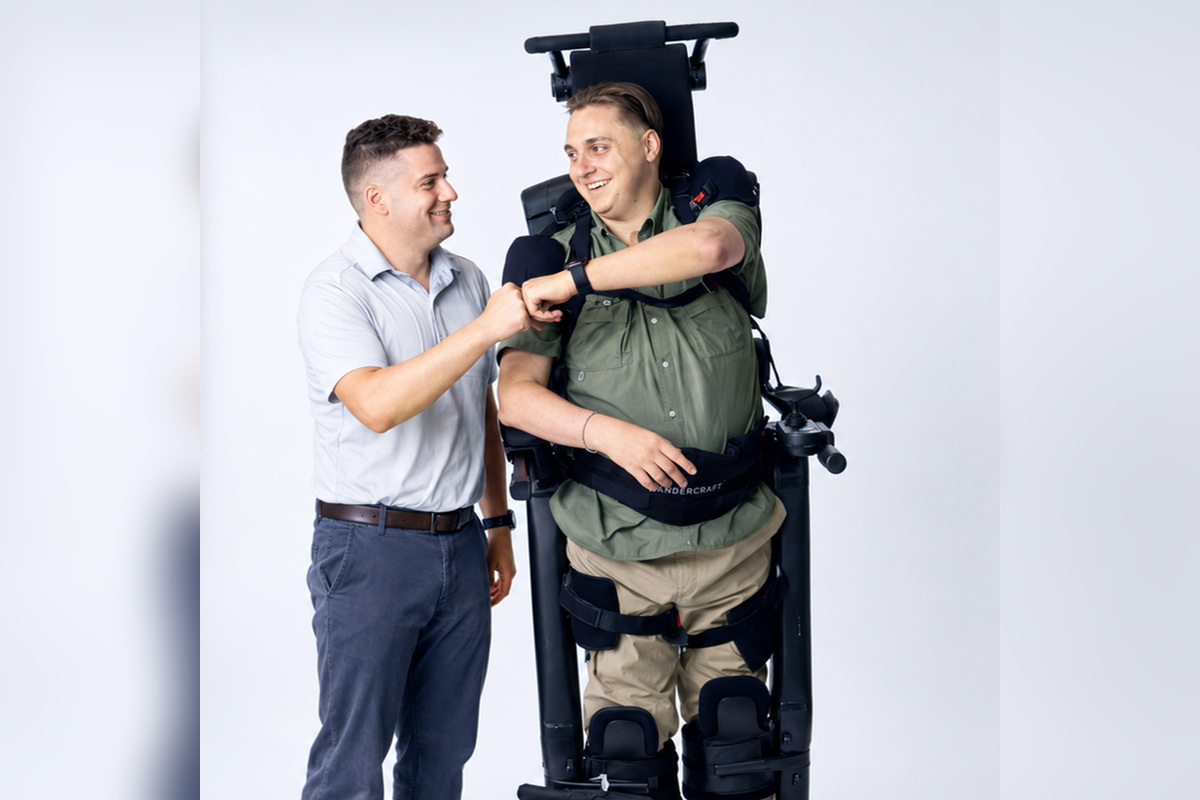
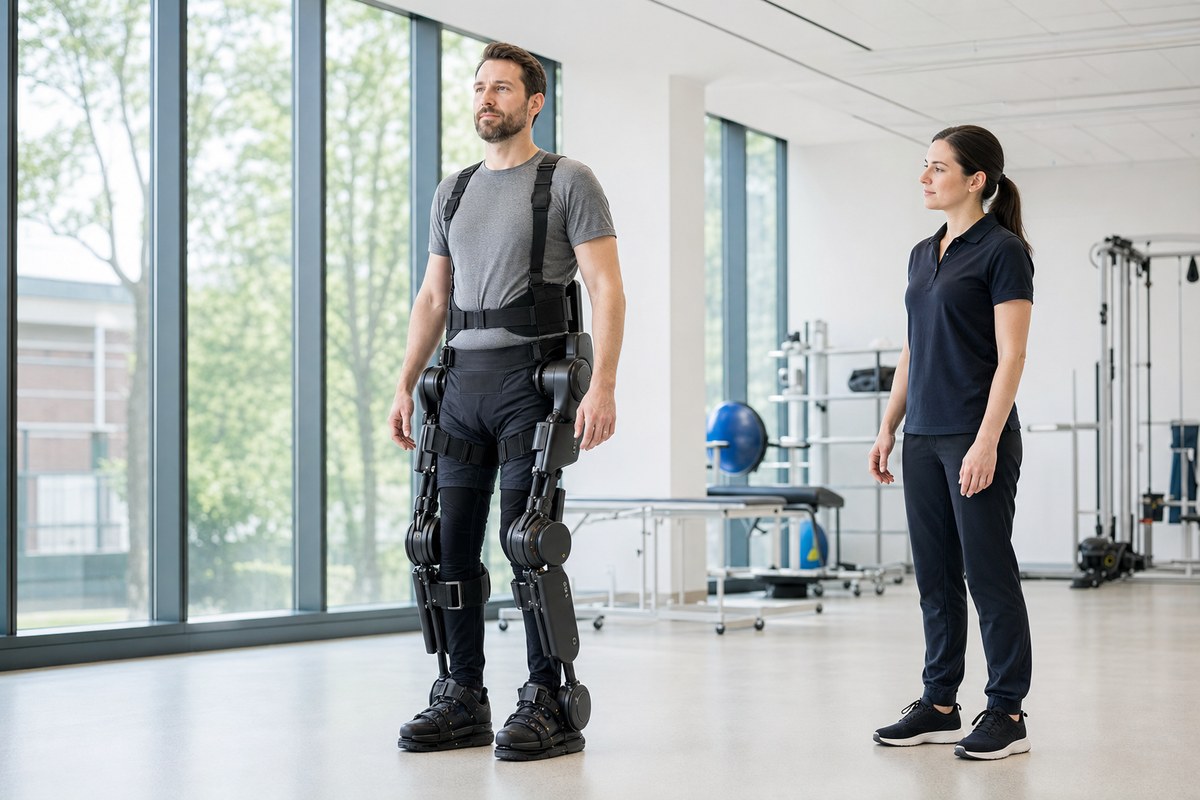
FDA Clears Eve: The First Self-Balancing Exoskeleton You Can Take Home

Wandercraft's Eve has been cleared by the FDA as a personal-use exoskeleton for adults with spinal cord injury. Unlike previous personal devices, it balances itself — no crutches, hands free. The clearance comes with real limits: level surfaces, a trained companion present, and a prescription process.

Read More

Deep Dive

Almost every personal exoskeleton cleared for home use so far has asked the same thing of the person wearing it: hold yourself up. Crutches or a walker do the balancing; the machine does the stepping. That works, but it occupies both hands, which rules out most of the things people actually want to stand up to do — reach a shelf, carry a plate, cook something.

On 11 August the FDA cleared Wandercraft's Eve, and the difference is that Eve balances itself. It is the first self-balancing exoskeleton approved for personal, prescribed use rather than clinic-only rehabilitation, and it leaves the user's hands free.

What "self-balancing" actually means

Wandercraft's technology continuously computes and adjusts the device's own centre of mass while it walks — the same problem a bipedal robot has to solve. The user is not propping the system up; the system is keeping itself, and the person in it, upright.

The company has been building toward this for over a decade. Its first device, Atalante (later Atalante X), brought self-balancing walking into rehabilitation facilities and is now reported to be in use at more than 150 rehab and research centres worldwide. Eve is that same concept scaled down for someone's home.

Who it's for — and the fine print

Wandercraft says Eve may be used by eligible adults with spinal cord injury at any level, provided the person can operate the device's remote control. That is a notably broader description than most personal exoskeletons, which have historically been limited by injury level because the user needed working arms and trunk control to manage crutches.

"At any level" does not mean everyone qualifies. Every prospective user still goes through a clinical assessment, an individual fitting, and training — five two-hour sessions, potentially inside a week, covering transfers, remote operation, walking on level ground, moving through tight spaces, daily activities, and emergency procedures.

The clearance itself is specific and worth reading plainly:

- Level indoor surfaces, plus level outdoor areas immediately adjacent to a building — patios, terraces. Not pavements, not uneven ground. - Use under the supervision of a specially trained companion. This is not an independent-use device. - Wandercraft describes Eve explicitly as a complement to a wheelchair, not a replacement. It is for additional opportunities to be upright, not for getting around.

What the trial showed

The clearance was supported by a three-site trial run through the James J. Peters VA Medical Center in the Bronx, the Kessler Foundation in New Jersey, and Walk in New York. It looked at safety, function, training and usability — specifically, whether users and their companions could learn the device and use it in tasks representative of real home life.

Wandercraft reports that participants met key walking and usability endpoints. Participants also reported improvements in health status, psychological wellbeing, endurance during daily activities, lower-limb spasticity and sitting balance, with some reporting better sleep and bladder and bowel function.

Treat that second list carefully. Those are participant-reported outcomes from a device trial, not results from a controlled study designed to test whether standing improves bowel function. They are consistent with what a lot of people describe from regular standing, but they are not proof of a treatment effect.

The money question

Medicare opened a reimbursement route for personal exoskeletons in 2024, treating qualifying systems as braces and allowing a lump-sum payment through the durable medical equipment programme. Wandercraft expects Eve to become eligible under that established pathway (code K1007) within 60 to 90 days.

Expects, not has. FDA clearance does not create Medicare coverage, and individual approval will still turn on documentation, medical necessity and what a given payer decides. Wandercraft says it has an access team to help with claims and financing, and it has lined up distribution: National Seating & Mobility as the exclusive complex rehab technology partner, Walk US for evaluation and training, Good Shepherd Rehabilitation in Pennsylvania's Lehigh Valley, and USVetServ to distribute to VA facilities.

That infrastructure matters as much as the hardware. Personal exoskeletons have historically stalled not on engineering but on the unglamorous parts — who assesses you, who trains you, who fixes it, who pays.

US commercial launch is set for 17 September 2026, with an unveiling in New York in partnership with the United Spinal Association.

Reader Q&A

Does this mean I could walk without crutches?

If you qualify and complete training, yes — Eve handles balance, so your hands are free. But within the cleared conditions: level surfaces, indoors or immediately outside a building, with a trained companion present. It is not a device for walking down the street on your own.

Is "any injury level" real, or marketing?

It is real in the sense that the balance requirement — the thing that historically excluded higher injuries — has been removed. The remaining requirement is being able to operate a remote control. But eligibility is decided by clinical assessment, so the honest answer is that it widens the door rather than opening it to everyone.

What will it cost me?

Unknown at this stage. Wandercraft is projecting Medicare eligibility under the K1007 brace pathway in the next few months, which if it lands would be the most realistic funding route in the US. Outside the US, nothing has been announced.

Should I expect health benefits from using it?

Possibly, but don't buy it for that. Trial participants reported improvements in spasticity, sleep, endurance and bowel and bladder function, and there is a broader literature suggesting regular standing helps with several secondary conditions. None of that was tested here as a controlled outcome. The cleared purpose is upright mobility and daily activities.

Read full article → (external link)