31 JUL 2026
Breathing After High Cervical SCI Without a Ventilator: The Surgery More People Should Know Exists
When two-year-old Maverick sustained a high cervical spinal cord injury in a crash, his parents were told he would never breathe without a machine. In January 2026, surgeons at Oklahoma Children's made him the youngest person in the world to undergo phrenic nerve stimulation — a procedure that bypasses the injured cord to restore breathing. Here's what it is, who it can help, and why it isn't more widely known.
Deep Dive
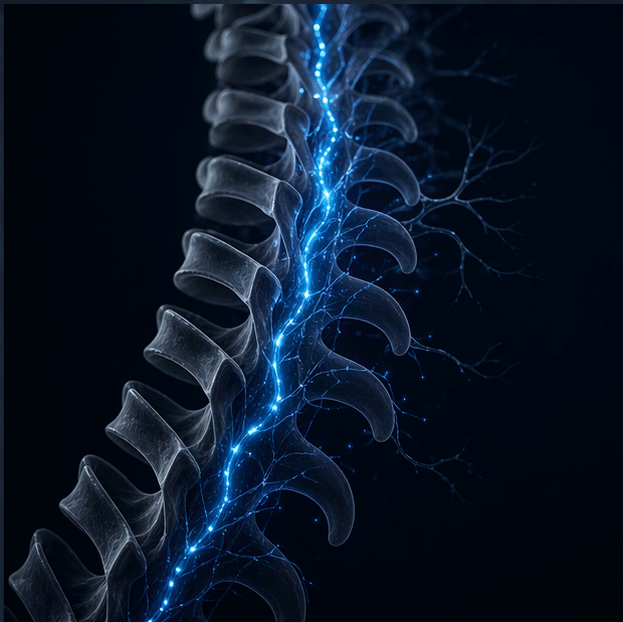
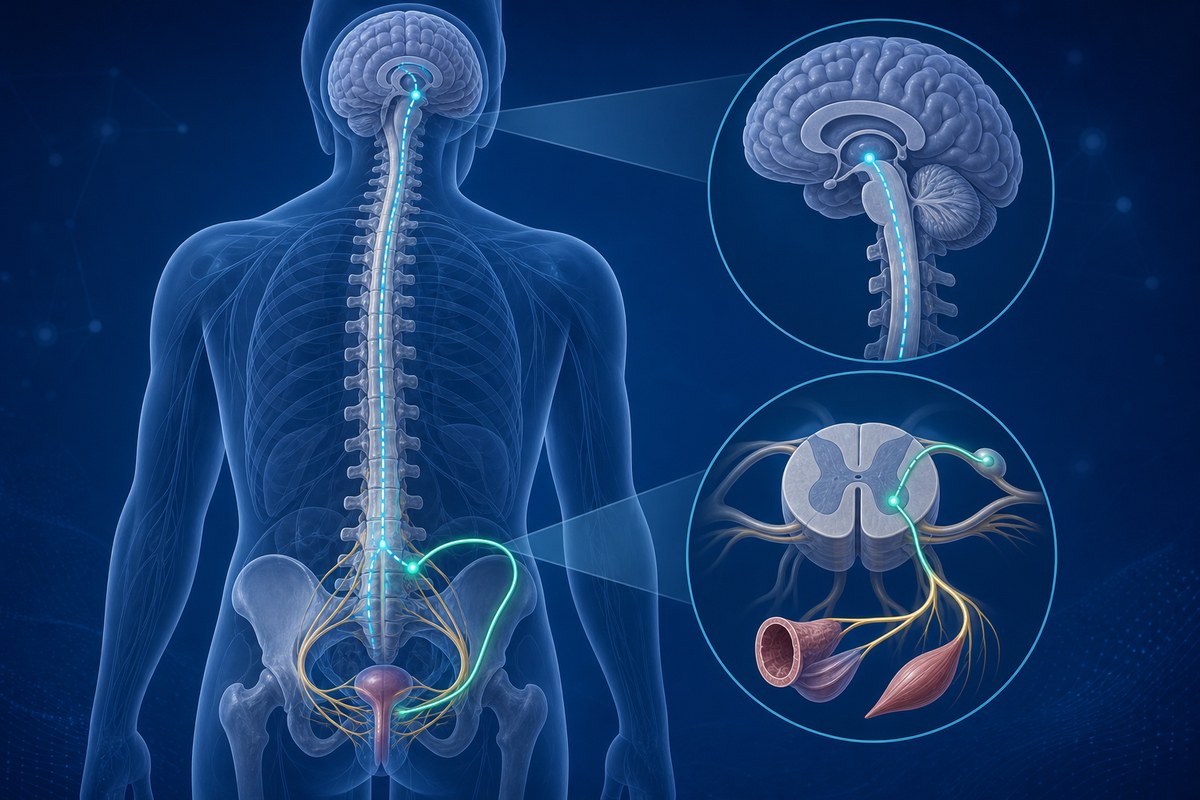
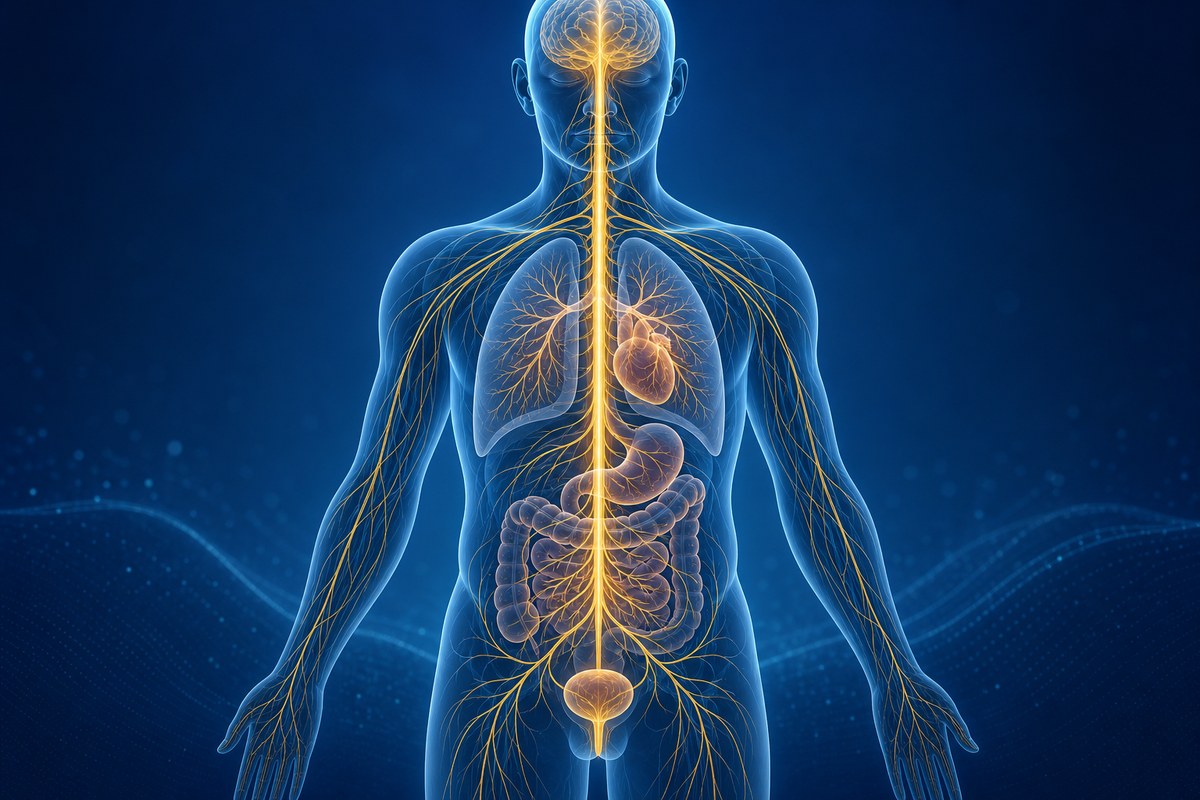
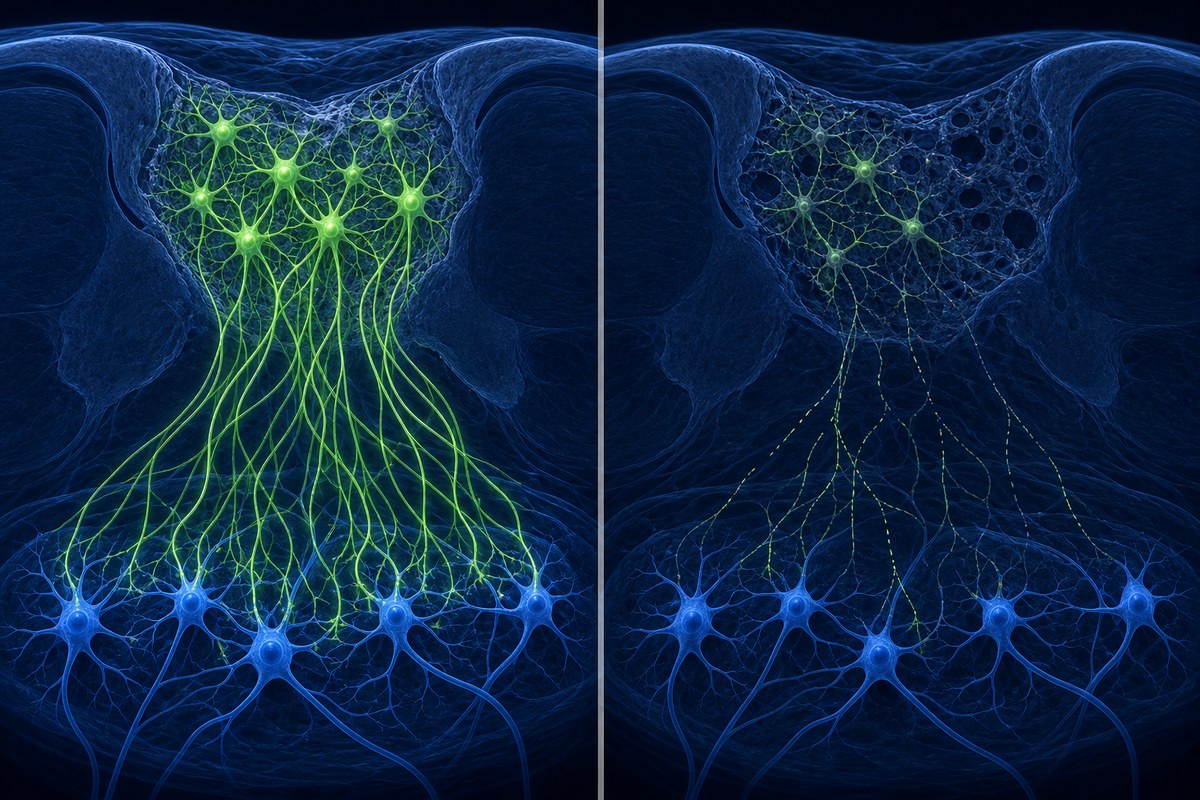
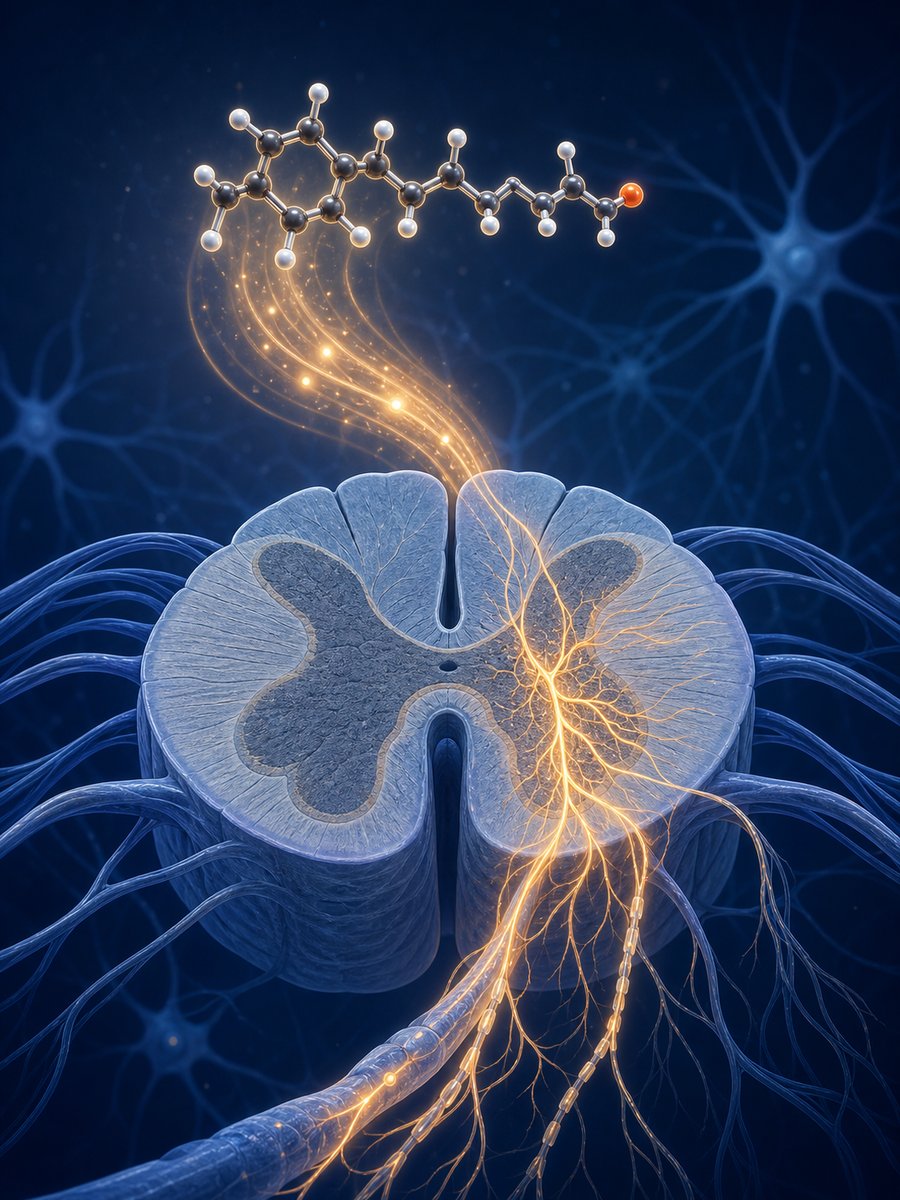
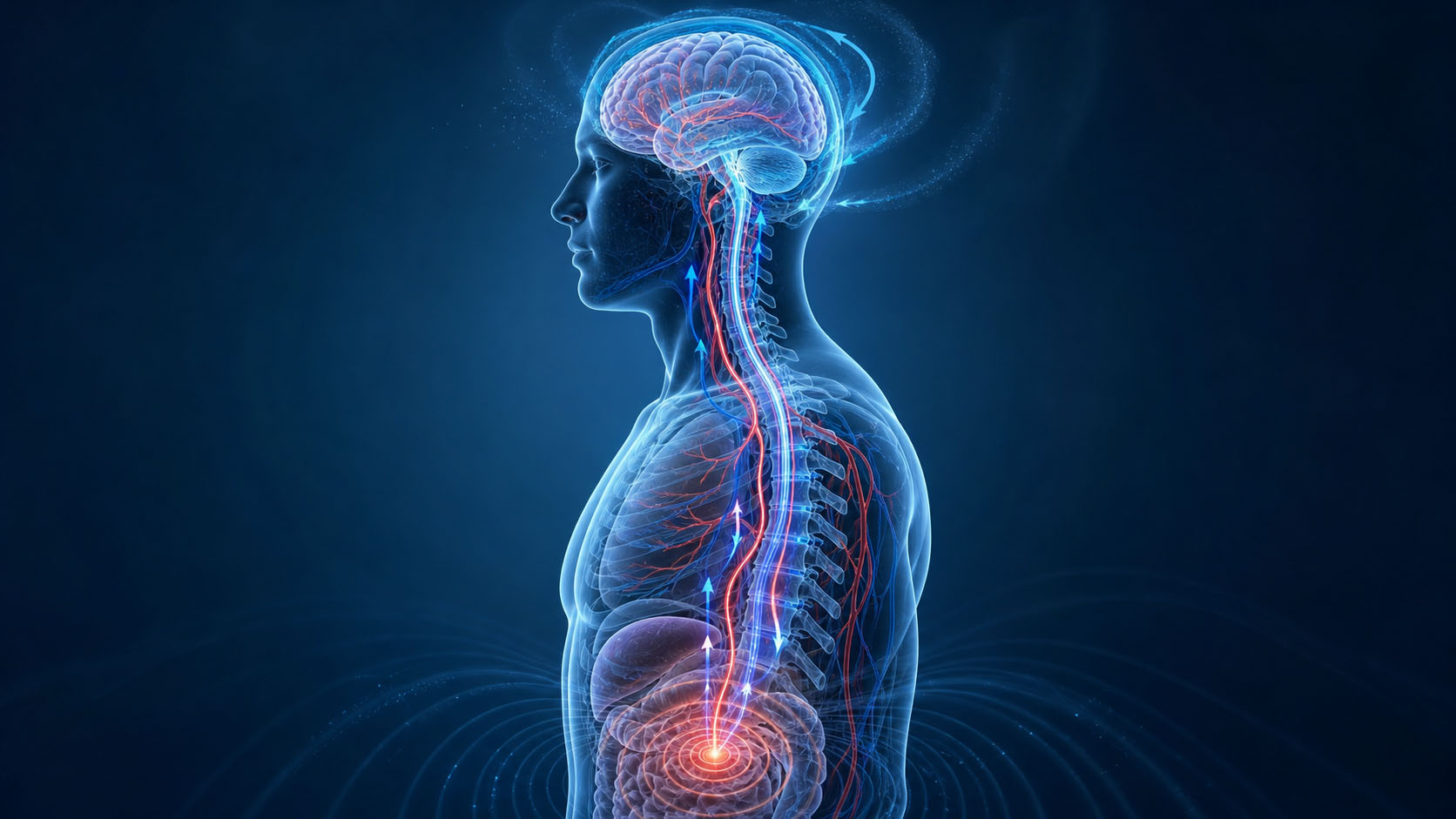
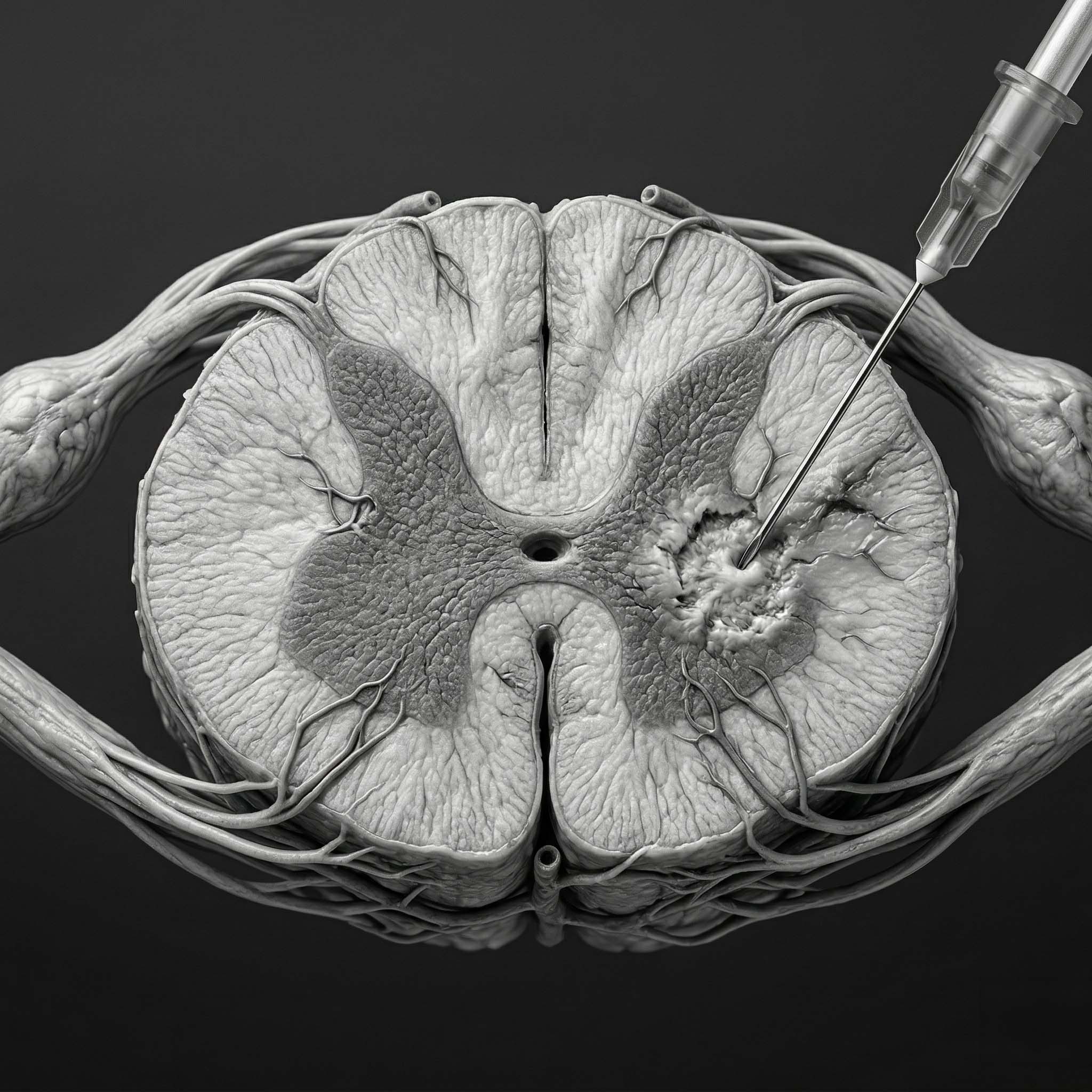
Most people with a high cervical spinal cord injury spend the rest of their lives on a ventilator. Not because their lungs have failed. Not because their diaphragm has stopped working. But because the signal the brain sends to start breathing — travelling down through the spinal cord to the phrenic nerve, the nerve that controls the diaphragm — can no longer get through.
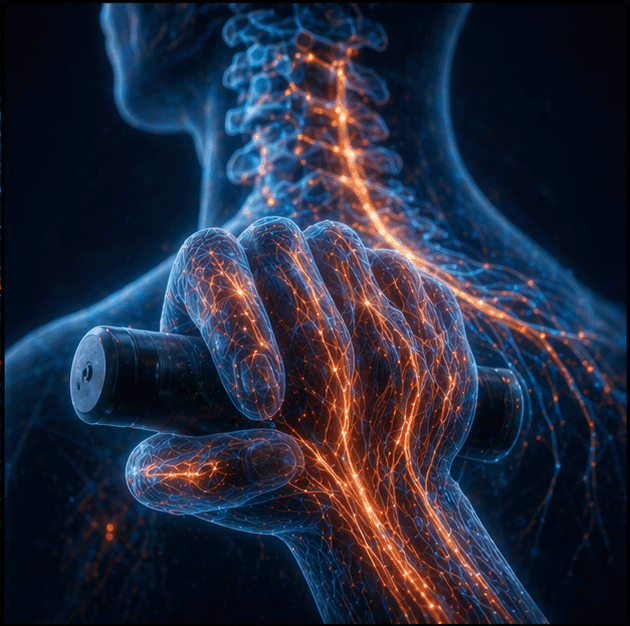
That signal pathway is broken at the cord. But the phrenic nerve itself, in most high cervical injuries, is completely intact. And that is the opening that phrenic nerve stimulation — also called diaphragmatic pacing — exploits.
On 30 July 2026, Oklahoma Children's OU Health published the story of Maverick, a Missouri toddler who suffered a catastrophic cervical SCI in a road crash at 18 months old. He became the youngest person in the world to have phrenic nerve stimulators implanted following a spinal cord injury — at just over two years old, in January 2026. He is now breathing with his own diaphragm, electrically triggered, without a ventilator for stretches of time and progressing further.
His family says they wish more people knew this procedure existed. They're right to say so.
Why breathing fails after high cervical SCI
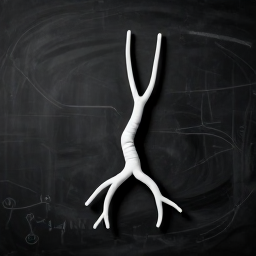
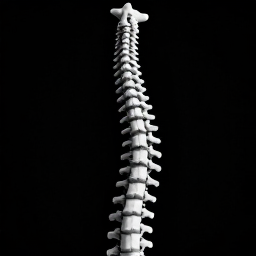
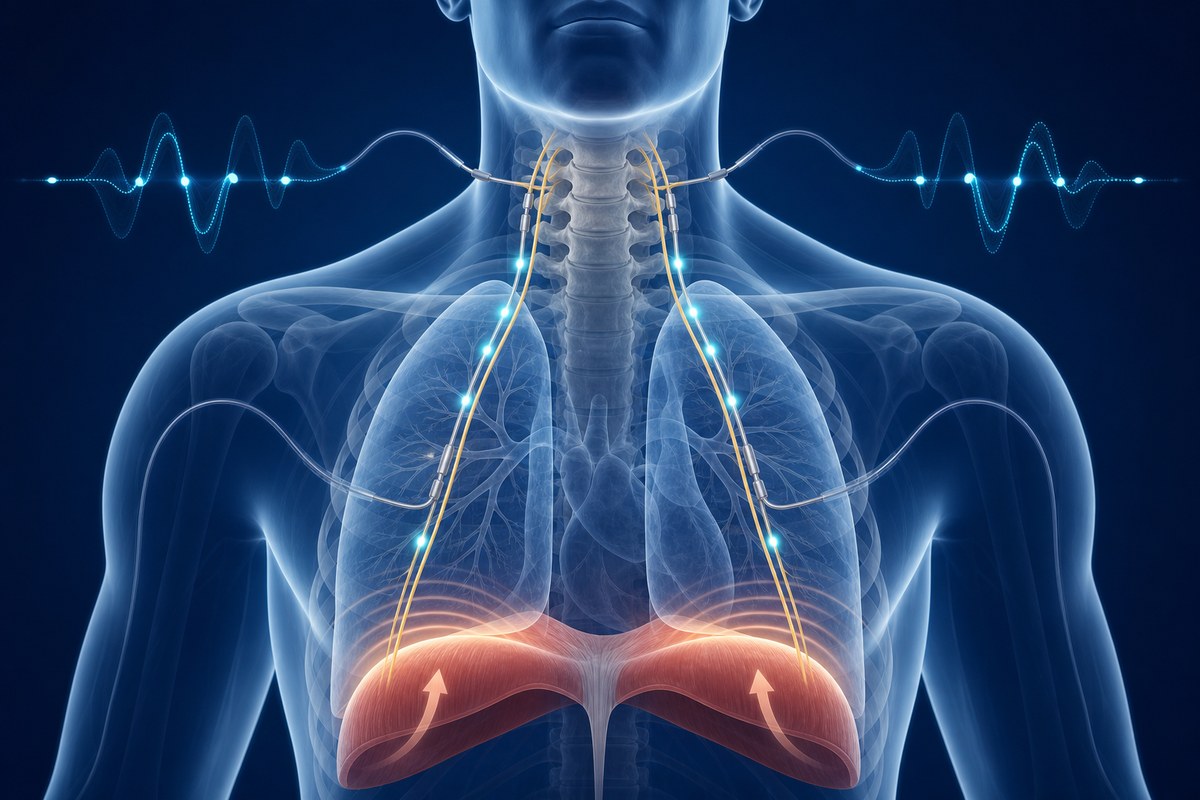
The phrenic nerves originate in the cervical spinal cord at the C3, C4, and C5 levels — roughly mid-neck. They travel down through the chest and connect to each side of the diaphragm, the dome-shaped muscle that does most of the work of breathing. When the brain signals a breath, the message travels down the cord, exits at C3–C5, and drives the diaphragm to contract and pull air into the lungs.
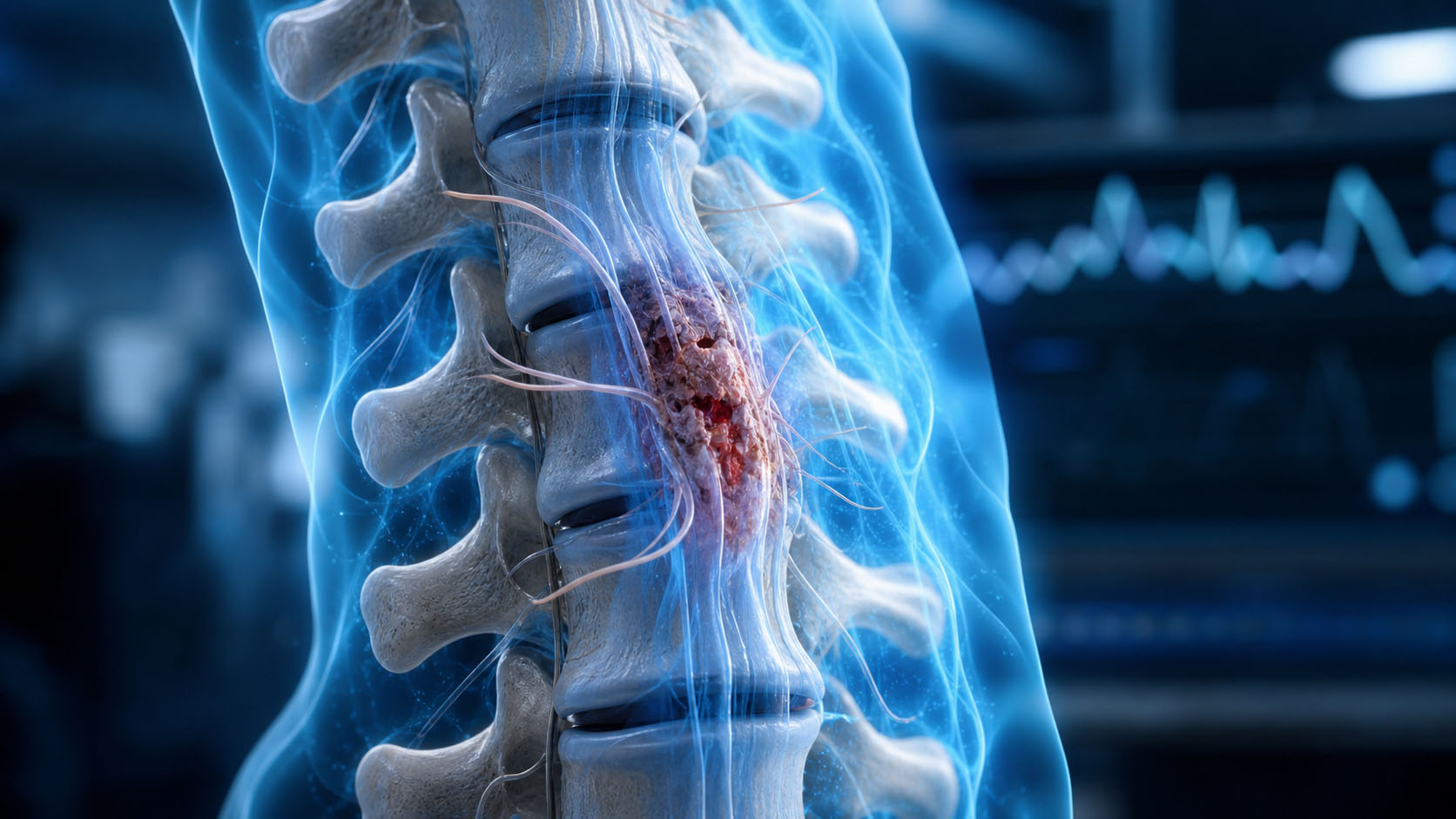
A spinal cord injury above C3 severs this chain at the cord. The phrenic nerves below the injury remain intact. The diaphragm remains intact. There is simply no signal reaching either of them.
This is where the ventilator steps in: it pushes air into the lungs mechanically, doing the work the diaphragm can no longer do. It is life-saving. But it has real downsides — which is exactly why phrenic nerve stimulation exists.
What phrenic nerve stimulation is
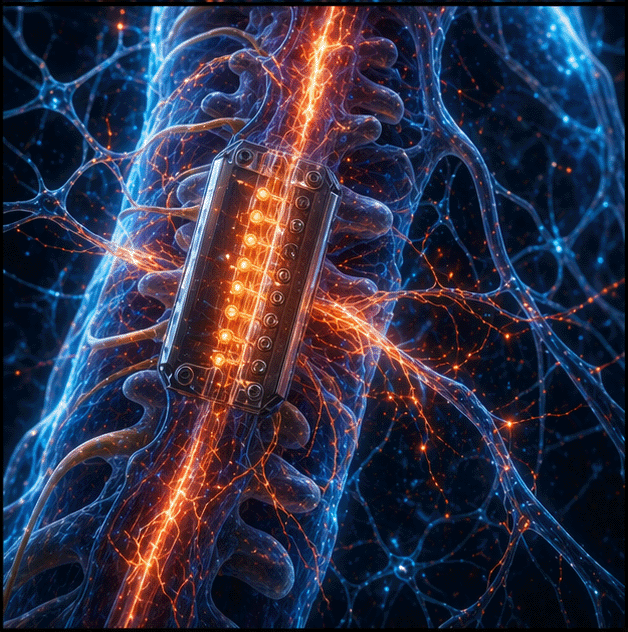
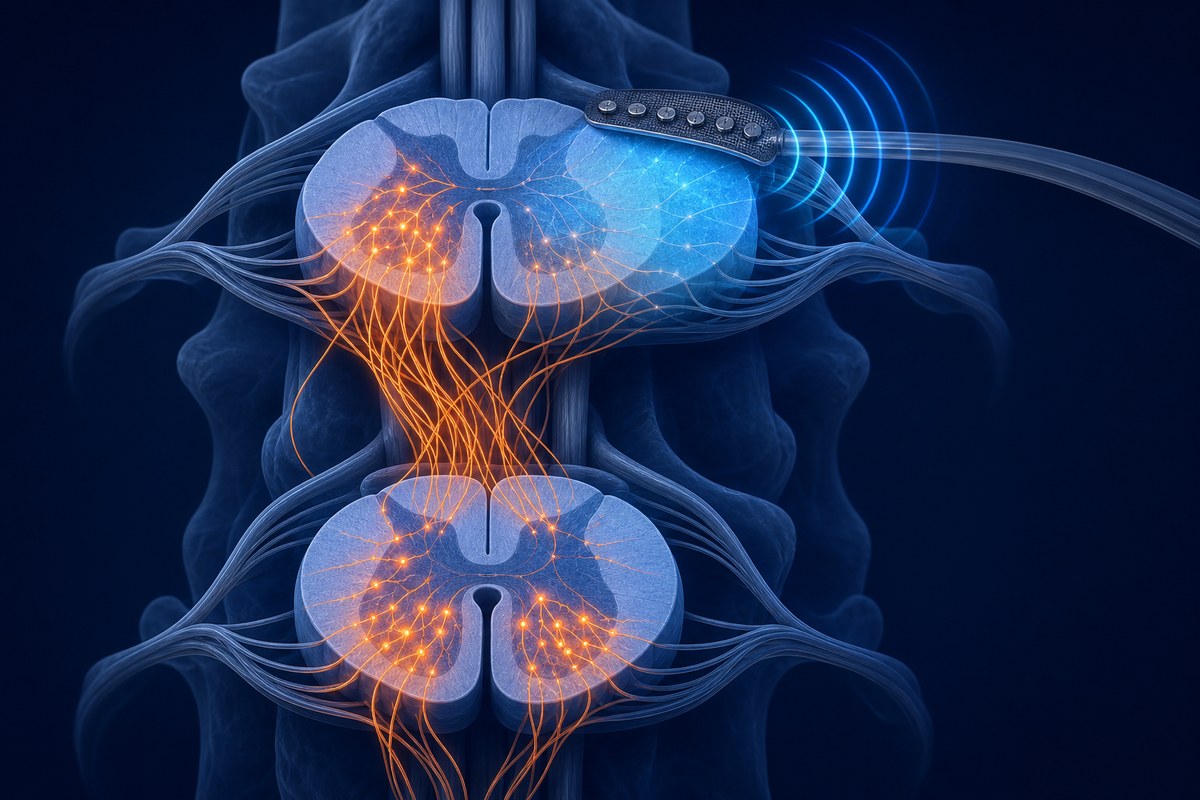
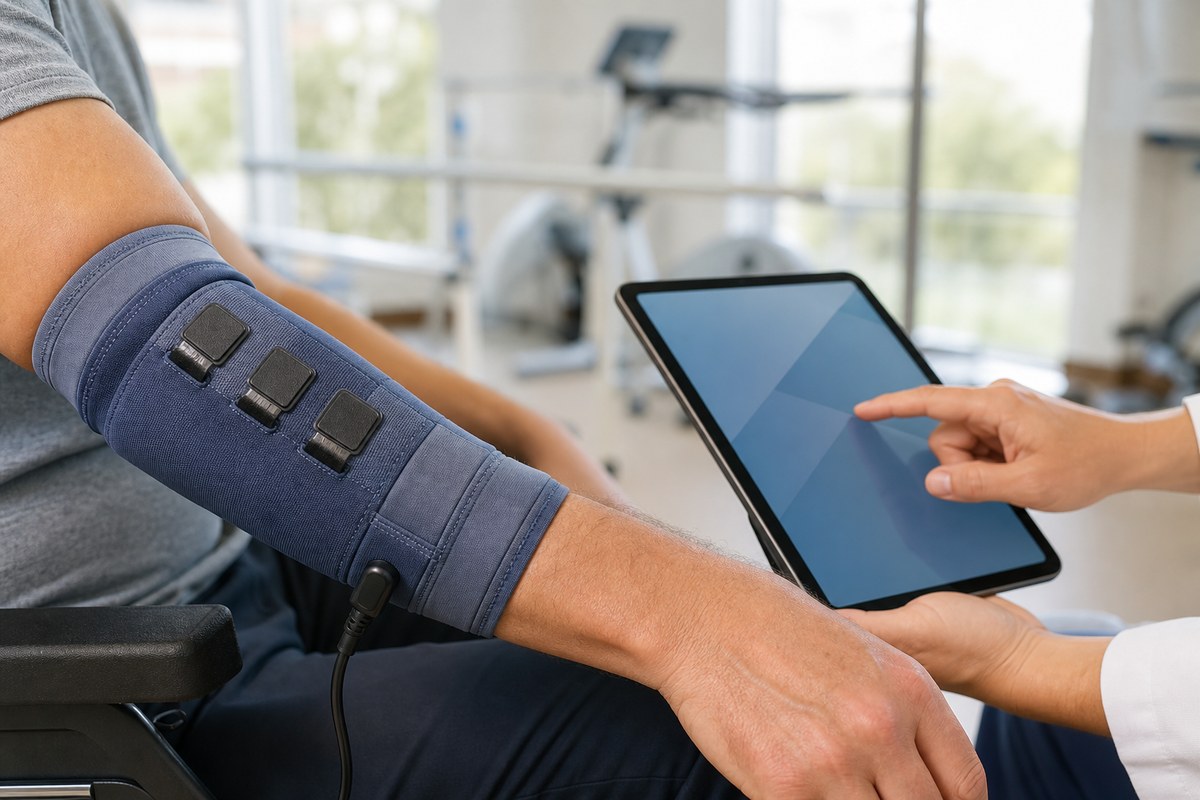
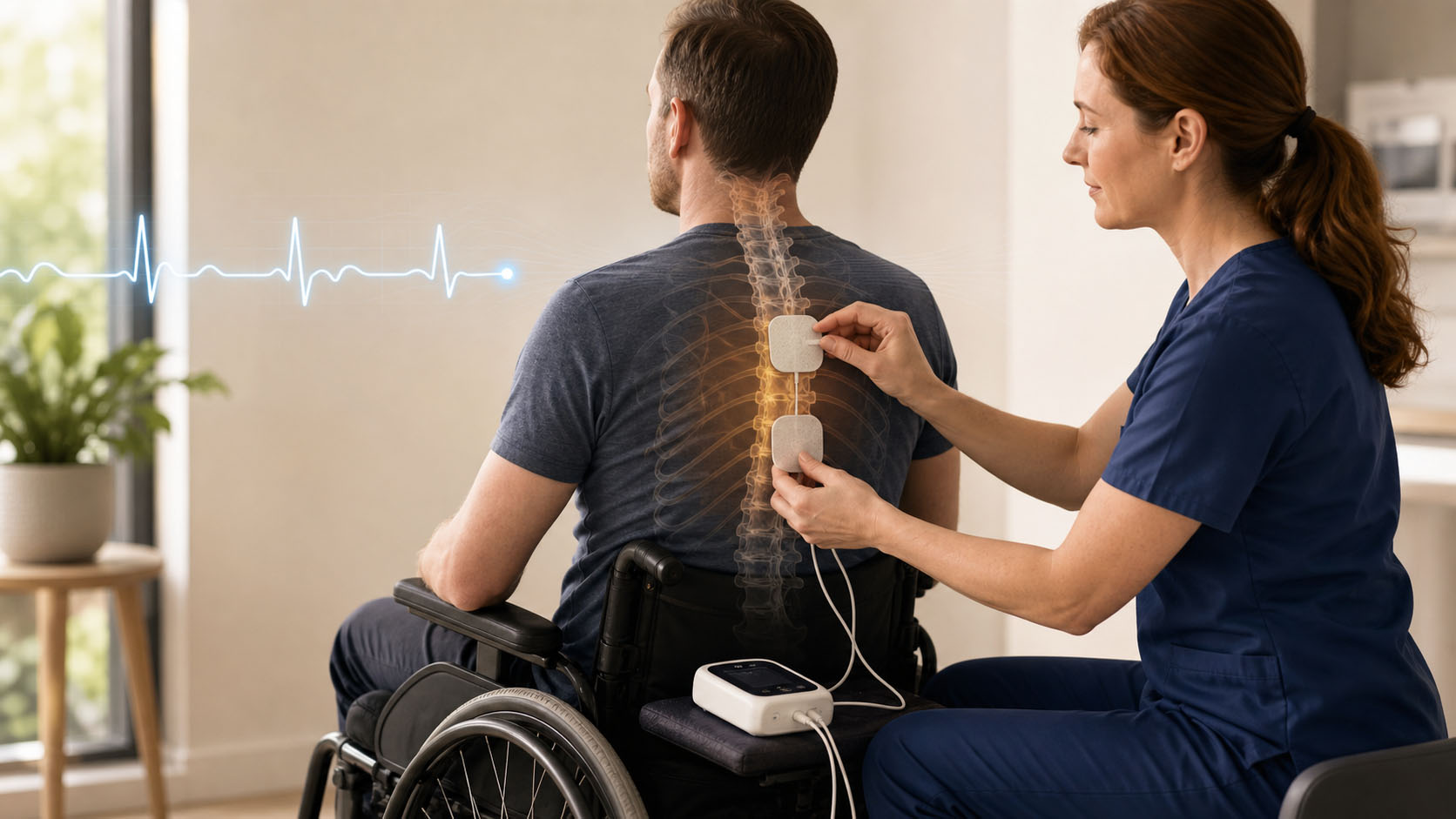
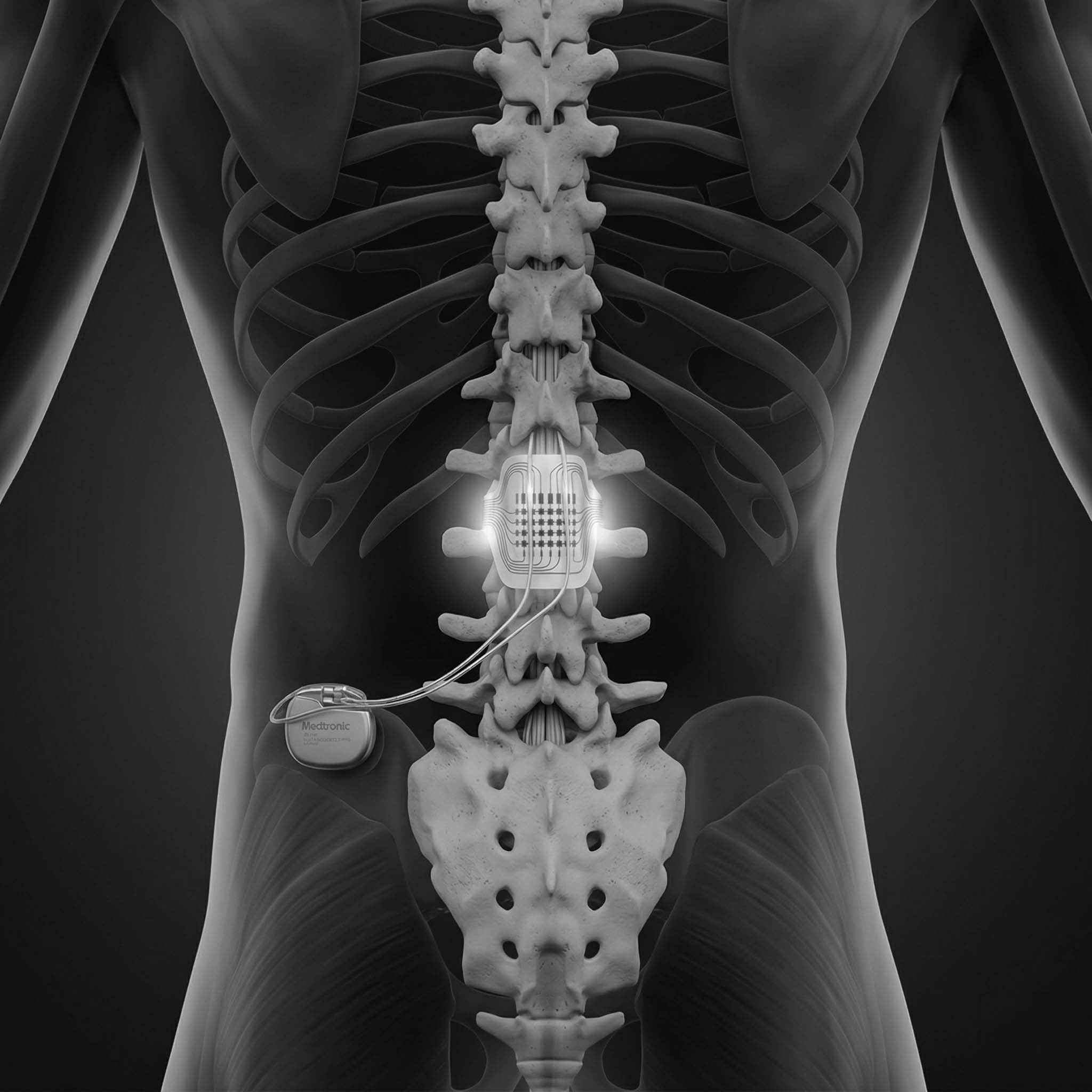
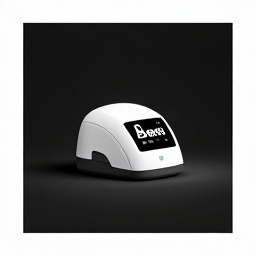
The procedure places small electrodes surgically around or near the phrenic nerve (or at the nerve's entry points into the diaphragm, depending on approach). These electrodes connect to a receiver implanted under the skin. An external control unit transmits electrical pulses through the skin to the receiver, which passes them on to the electrodes, which cause the phrenic nerve to fire — and the diaphragm to contract. A breath follows.
The timing and intensity of those pulses are adjusted to produce a normal breathing rhythm. With conditioning over weeks to months — the diaphragm is a muscle, and needs to be rebuilt after disuse — many patients go from a few hours off the ventilator each day to spending most or all of the day breathing with the pacer. Some transition off the ventilator entirely.
There are two main device types. The conventional approach uses an electrode on the phrenic nerve connected to a subcutaneous receiver and an external radiofrequency transmitter worn on the skin. The Diaphragmatic Pacing System (DPS) places four electrodes directly into the diaphragm at the nerve insertion points, connected to an external pulse generator through a socket at the skin surface. Each approach has clinical uses; the DPS in particular allows stimulation even when the phrenic nerve higher up is partially compromised.
Who qualifies
The key requirement is that the phrenic nerve itself must be intact and functional. Before surgery, phrenic nerve conduction studies — electrical tests of nerve function — confirm whether the nerve can carry a signal.
Patients with SCI above C3 are the clearest candidates: the injury is above where the phrenic roots exit the cord, so the nerve below is undamaged and can be stimulated at the neck, chest, or diaphragm.
Mid-cervical injuries (at C3–C5 itself) are more complex, since the injury may directly involve the nerve roots. In these cases, direct diaphragmatic pacing through the DPS system can sometimes still work by stimulating the nerve at the diaphragm rather than higher up.
Beyond SCI, the procedure is used in congenital central alveolar hypoventilation syndrome (where the brain's breathing control fails), brainstem tumours, Arnold-Chiari malformations, and certain neuromuscular conditions.
How the surgery is done
Surgeons can reach the phrenic nerve three ways. The cervical approach accesses the nerve directly in the neck — the most direct route, typically used for high SCI. The thoracic approach uses keyhole video-assisted chest surgery (VATS) to reach the nerve as it runs alongside the heart. The diaphragmatic approach is laparoscopic — small incisions in the abdomen — and places electrodes where the nerve meets the diaphragm. This is the route used for the DPS device and is available even when the nerve higher up is unreliable.
Both sides are usually done two weeks apart to allow recovery between procedures.
Why it beats a ventilator for most patients
Ventilators save lives, and many people with high SCI live full lives on them. But the practical burden is real: a ventilator requires a tracheostomy (a permanent opening in the windpipe), carries ongoing infection risk, needs an uninterrupted power supply, and is a disconnection risk. Speaking is harder. Taste diminishes over time. Mobility is constrained.
Phrenic nerve stimulators are a closed system once implanted. Most patients keep their tracheostomy initially as a safety backup, but the breathing itself comes through the pacer rather than the machine. Speech follows the natural rhythm of the pacer. Taste is preserved. The device is small and unobtrusive. Because the diaphragm contracts naturally — even if electrically triggered — breathing mechanics are closer to normal, which is better for long-term lung health.
In February 2026, NICE in the UK issued guidance (HTG727) formally endorsing phrenic nerve pacing for ventilator-dependent patients with high cervical SCI — a signal that clinical consensus around the technology is consolidating.
Why it isn't more widely known
Phrenic nerve stimulation has existed since the 1970s — Christopher Reeve used a diaphragmatic pacer in his later years. The technology has improved significantly: devices are smaller, laparoscopic implantation is less invasive than early open surgery, and FDA approval has made the DPS accessible across the US.
But it remains a specialist procedure, concentrated at a small number of centres with specific experience. Awareness among patients, families, and even some clinicians is still limited — which means people who might benefit are sometimes not told it exists. Maverick's case, as the youngest patient in the world to undergo the procedure after SCI, brings it to a wider audience at a moment when guidance and availability are both moving in the right direction.
Reader Q&A
Does everyone with a high cervical SCI qualify?
Not automatically — phrenic nerve function has to be confirmed first through nerve conduction tests. Most people with injuries above C3 do qualify, since the phrenic nerve below the injury is typically intact. People with injuries at C3–C5 need careful assessment, but some still qualify via the diaphragmatic approach. A specialist centre with experience in the procedure is the right place to be evaluated.
Can it replace the ventilator completely?
For many patients, yes, at least for daytime use. Some manage without the ventilator at all. The process involves a conditioning phase — the diaphragm has usually weakened from disuse and needs time to rebuild — which takes weeks to months. Others use the pacer during the day and non-invasive ventilation at night. The combination depends on the individual. Tracheostomies are often kept in place initially as backup, and removed later once breathing is stable.
What age can it be used from?
Maverick's surgery extends the known lower age limit to just over two years old. The Christopher & Dana Reeve Foundation notes that paediatric use of diaphragmatic pacing has actually driven adoption faster than in adults, partly because children's developing nervous systems are more adaptable. Surgeons experienced in paediatric implantation are needed for young patients — but the procedure is not age-restricted in principle.
Is it available in the UK?
Yes, at specialist centres, and with growing clinical support. The February 2026 NICE guidance (HTG727) formalises it as a recommended option for ventilator-dependent high cervical SCI patients, which should strengthen access through NHS pathways. Referral to a specialist spinal or respiratory centre is the starting point.